World · India Bureau
Can India's Chief Election Commissioner Override Dissenting Commissioners?
While the Chief Election Commissioner holds a prominent position within India's Election Commission, constitutional provisions and Supreme Court rulings clarify that the role operates within a collegial framework where majority decisions prevail.
LSN India ·
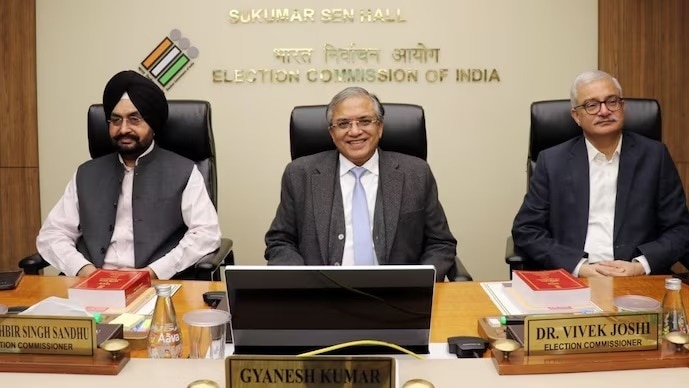
The Election Commission of India comprises three members, including the Chief Election Commissioner, but the constitutional structure ensures no single official has absolute authority over electoral decisions. The principle of 'first among equals' defines the CEC's position within the three-member body.
According to India's constitutional framework and established Supreme Court precedents, Election Commission decisions are made collectively rather than unilaterally. While the Chief Election Commissioner chairs the body and holds significant administrative responsibilities, this does not grant veto power over fellow commissioners' positions.
When disagreement arises between commissioners, the majority decision becomes binding. This safeguard prevents any individual commissioner from overriding the collective judgment of the electoral body. The constitutional design emphasizes institutional checks and collegiate decision-making to ensure impartial conduct of elections.
The 'first among equals' doctrine underscores that the CEC functions as the commission's chairman and primary spokesperson, but exercises authority within the bounds of collegial governance. This structure has been consistently upheld in judicial interpretations, reinforcing that electoral decisions reflect the consensus or majority position rather than individual preference.
The constitutional arrangement reflects the framers' intent to vest electoral authority in a body where deliberative consensus guides India's democratic processes, protecting the integrity of elections through shared institutional responsibility.