World · World News Bureau
Canada's EU Associate Membership Proposal Faces Uncertain Path
European leaders have responded positively to Canada's interest in closer ties through a proposed associate membership arrangement with the EU. However, significant obstacles remain before the concept could be formalized or serve as a model for other nations.
LSN World News ·
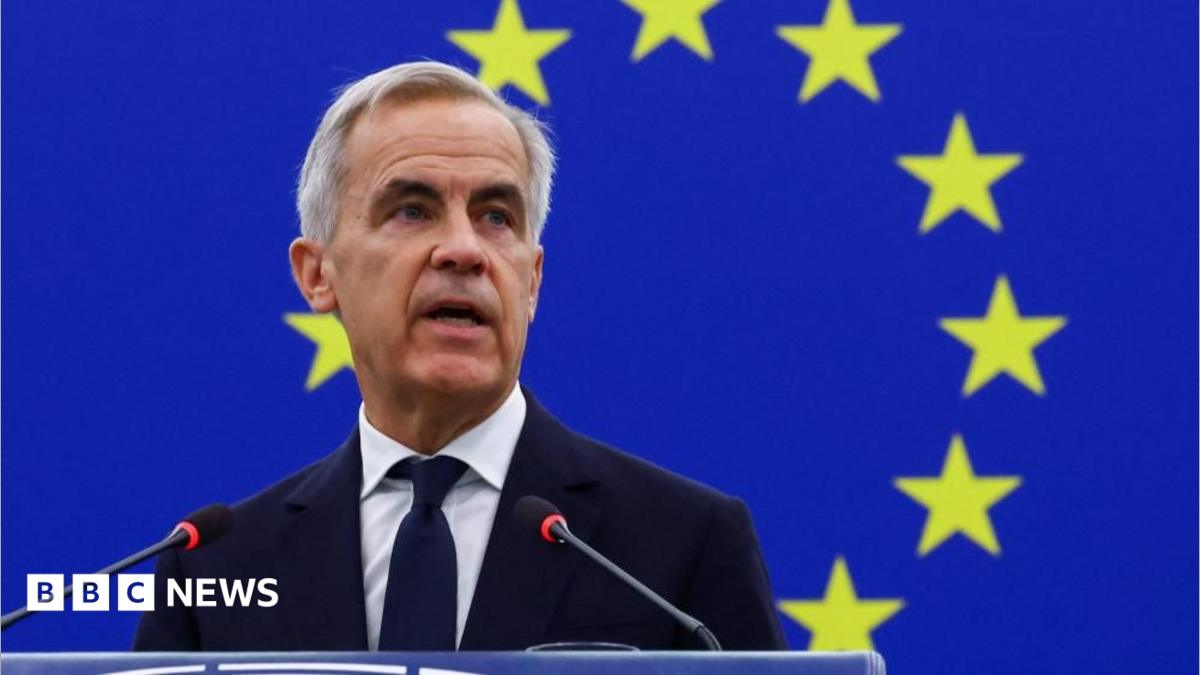
Canada's pitch for a new form of association with the European Union has generated cautiously optimistic responses from Brussels, yet officials remain noncommittal about the proposal's viability. The arrangement would represent a novel relationship framework, potentially offering closer economic and political coordination without full membership status. EU officials acknowledged the concept's merit while stopping short of endorsing concrete implementation plans.
The proposal reflects growing strategic interest between Canada and Europe, driven by shared security concerns and economic considerations. Proponents view associate membership as a pragmatic approach to deepening institutional ties across the Atlantic. The arrangement could theoretically address trade, defense, and regulatory harmonization without requiring the extensive institutional reforms that full EU membership entails.
Despite the diplomatic warmth surrounding initial discussions, significant hurdles stand in the way of materializing the proposal. EU member states have expressed reservations about establishing precedents that might encourage applications from other nations seeking privileged access to the bloc. Legal and constitutional questions about how such an arrangement would function within existing EU structures remain unresolved.
European officials indicated that any formal move toward associate membership would require extensive negotiation and consensus among all member states. The timeline for potential advancement remains unclear, with some observers suggesting the initiative could take years to develop, if it proceeds at all. For now, the proposal remains a concept under exploratory discussion rather than a committed policy objective.