World · India Bureau
Canadian city harnesses sewage heat to power sustainable buildings
Vancouver is pioneering an innovative approach to urban energy sustainability by capturing thermal energy from sewage systems to heat and cool buildings. The initiative demonstrates how cities can leverage existing infrastructure to reduce carbon emissions and energy costs.
LSN India ·
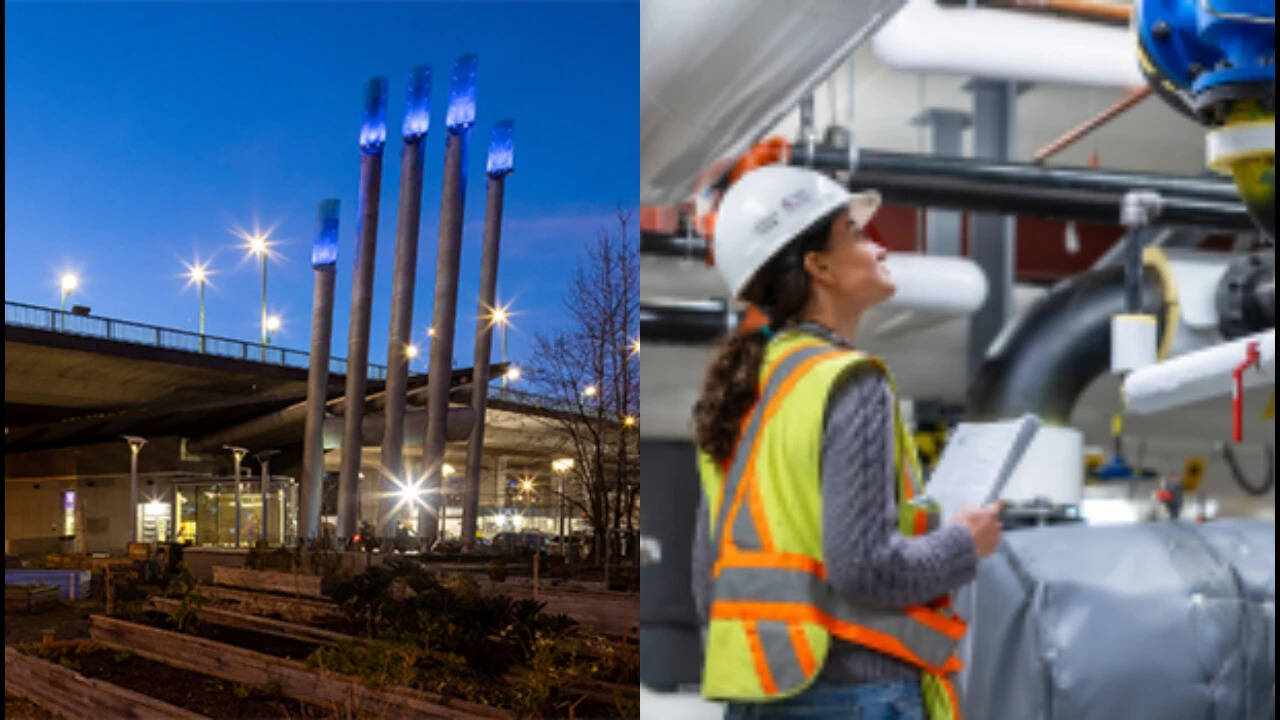
Vancouver has emerged as a leader in renewable energy innovation by tapping into an often-overlooked resource: the consistent heat generated by municipal sewage systems. The city's wastewater infrastructure naturally maintains warm temperatures year-round, making it an ideal source for district energy networks that serve multiple buildings across urban neighborhoods.
The technology works by extracting thermal energy from sewage before it enters treatment facilities, then transferring that heat through insulated pipes to nearby buildings for space heating and domestic hot water. Heat pump systems help optimize the temperature differential, making the process efficient even during cold winter months. Excess thermal energy can also be used for cooling during warmer seasons, reducing the need for traditional air conditioning systems.
This approach addresses multiple urban challenges simultaneously. By reducing reliance on natural gas and electrical heating systems, buildings connected to sewage heat networks can significantly lower their carbon footprints and operational costs. For the city, the initiative supports broader sustainability goals while making efficient use of existing municipal infrastructure that might otherwise dissipate valuable thermal energy into the environment.
Several districts in Vancouver have already integrated sewage heat recovery into their district energy systems, with plans for expansion as the technology gains recognition. Urban planners and environmental experts view such initiatives as crucial models for other cities seeking practical solutions to reduce greenhouse gas emissions in the building sector, which accounts for a substantial portion of urban energy consumption across North America and beyond.