Business · India Bureau
Cancelled US Dam Project Paved Way for River Conservation Legacy
A contentious 1960s proposal to dam the Delaware River, which would have displaced around 600 families, was ultimately cancelled in 1975 due to environmental concerns and mounting costs. The decision marked a watershed moment in American conservation policy, leading to the creation of a protected recreation area preserving the river's natural character.
LSN India ·
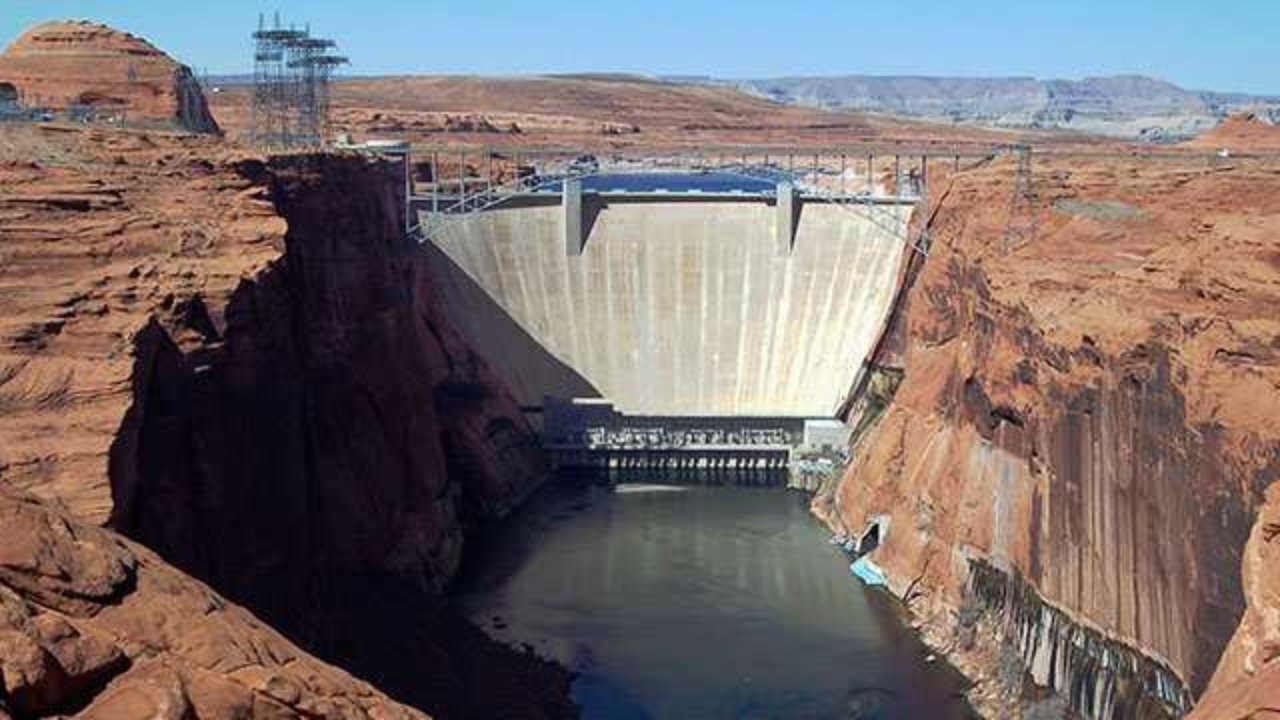
An ambitious hydroelectric dam project on the Delaware River that threatened to reshape the landscape and displace hundreds of families was shelved in 1975, becoming a landmark victory for environmental protection in the United States. The proposed 40-mile reservoir would have inundated portions of the river valley, necessitating the relocation of approximately 600 families from the affected region.
The cancellation reflected mounting opposition from conservationists and affected communities who raised alarm about the project's environmental footprint and its human cost. Financial pressures also mounted as construction expenses ballooned beyond initial projections, making the undertaking increasingly untenable for policymakers.
The decision to abandon the scheme represented a pivotal shift in how American authorities balanced development priorities against ecological preservation and community interests. Rather than proceeding with construction, authorities chose an alternative path that prioritized landscape protection.
In the project's aftermath, the Delaware Water Gap National Recreation Area was established, creating a protected haven for the river's undisturbed segments. The outcome underscored growing recognition that natural waterways deserved preservation in their original state, establishing a precedent that would influence land management policies throughout the region and beyond.