World · India Bureau
Captive-bred Great Indian Bustards released into Rajasthan wild
Two critically endangered Great Indian Bustards have been released into their natural habitat in Rajasthan as part of an intensive conservation programme. The milestone represents a decade of dedicated efforts by scientists and researchers to restore the species to India's desert regions.
LSN India ·
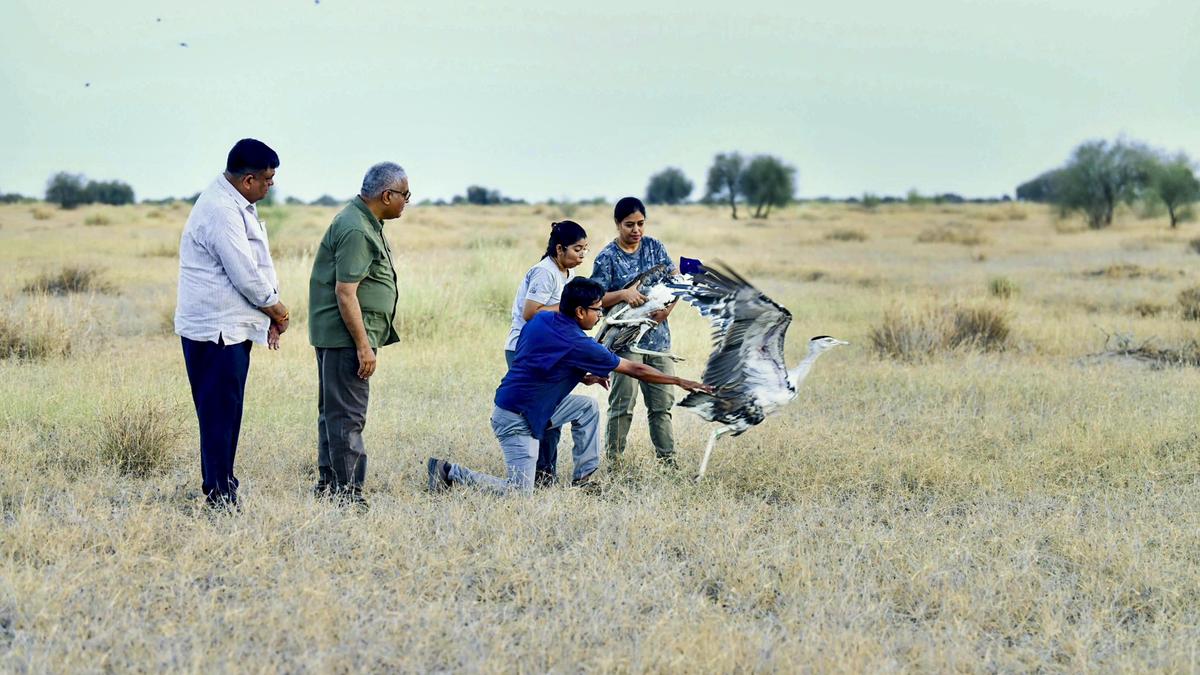
The release of two captive-bred Great Indian Bustards into the wild in Rajasthan marks a significant achievement in the country's efforts to save one of its most critically endangered bird species from extinction.
The initiative, which has spanned nearly ten years, reflects the commitment of India's scientific community to restore the bustard population to its traditional desert habitats. A team of dedicated researchers, scientists, and ground staff have worked consistently to develop and implement breeding programmes that could eventually bolster wild populations.
The Great Indian Bustard, once commonly found across India's arid regions, has faced severe population decline over recent decades due to habitat loss and other environmental pressures. The species now exists in extremely limited numbers in the wild, making conservation breeding and reintroduction efforts critical to its survival.
The release represents a transition from controlled breeding environments to monitored reintroduction in suitable natural habitats. Conservation officials will continue to track the released birds to assess their adaptation and survival rates in the wild, with results expected to inform future phases of the reintroduction programme.
Experts have stressed that such initiatives require sustained funding, research support, and inter-agency cooperation to succeed. The successful release of these two birds demonstrates the viability of breeding and reintroduction strategies, offering hope for the species' long-term recovery in India's deserts.