World · India Bureau
Cardboard Boxes Offer Simple Solution to Improve Garden Soil
Discarded packaging from online shopping can be repurposed to enhance garden beds and kitchen gardens while reducing waste. Cardboard offers practical benefits including weed suppression, moisture retention, and simplified bed preparation without extensive digging.
LSN India ·
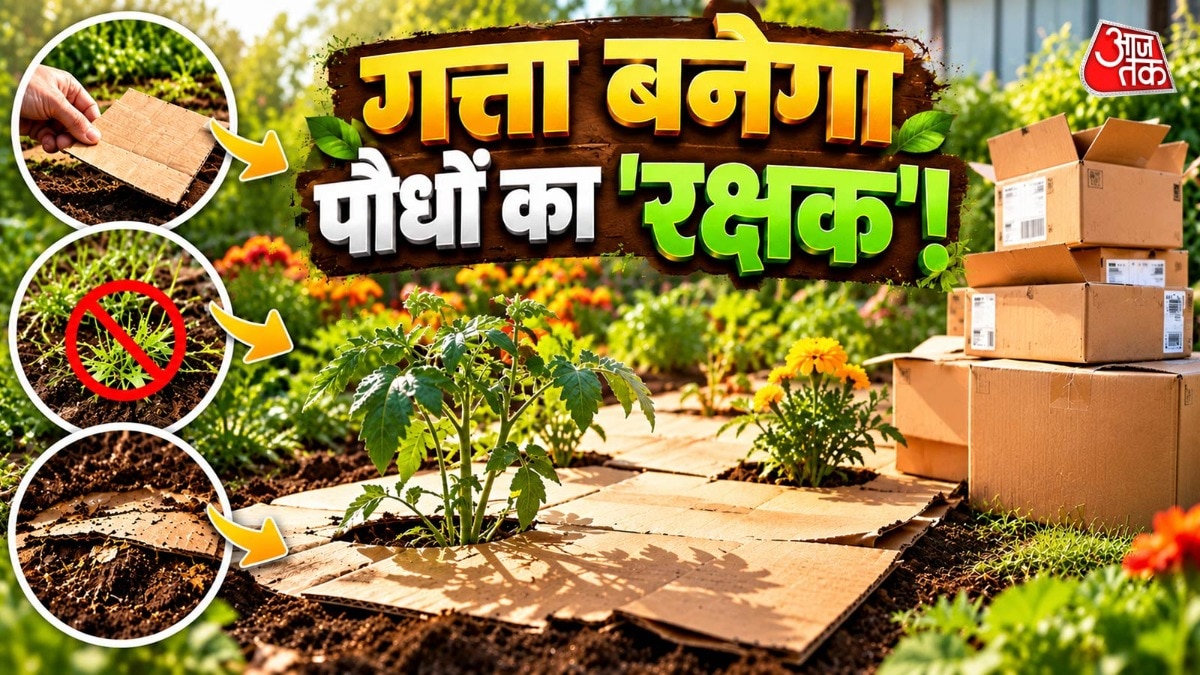
Cardboard boxes destined for the recycling bin can serve as valuable tools for improving garden productivity, offering gardeners an economical and environmentally friendly approach to soil management and cultivation.
When laid directly over soil, cardboard acts as an effective natural barrier against unwanted weeds and grasses, reducing the need for manual weeding or chemical interventions. The material gradually breaks down, enriching the underlying soil with organic matter while simultaneously suppressing weed growth during the decomposition process.
Beyond weed control, cardboard provides practical advantages for establishing new garden beds. Gardeners can create planting areas without extensive soil excavation by layering cardboard over existing ground, adding compost or soil on top, and planting directly into the prepared surface. This method reduces labor-intensive preparation work while making gardening more accessible.
The material also helps retain soil moisture by acting as a protective layer that reduces evaporation from the earth's surface. This moisture conservation benefit is particularly valuable during dry seasons and can reduce the frequency of watering required for established plants.
As cardboard decomposes over several months, it adds organic carbon to the soil, gradually improving soil structure and fertility. Gardeners seeking sustainable practices can thus transform household packaging waste into a practical gardening resource while reducing overall waste.