Business · Singapore Bureau
Career Advancement vs Work-Life Balance: A Choice Professionals Face
Declining a promotion does not signal lack of ambition, career experts say, as workers increasingly weigh personal well-being against professional advancement. The decision requires careful consideration of individual circumstances and long-term priorities.
LSN Singapore ·
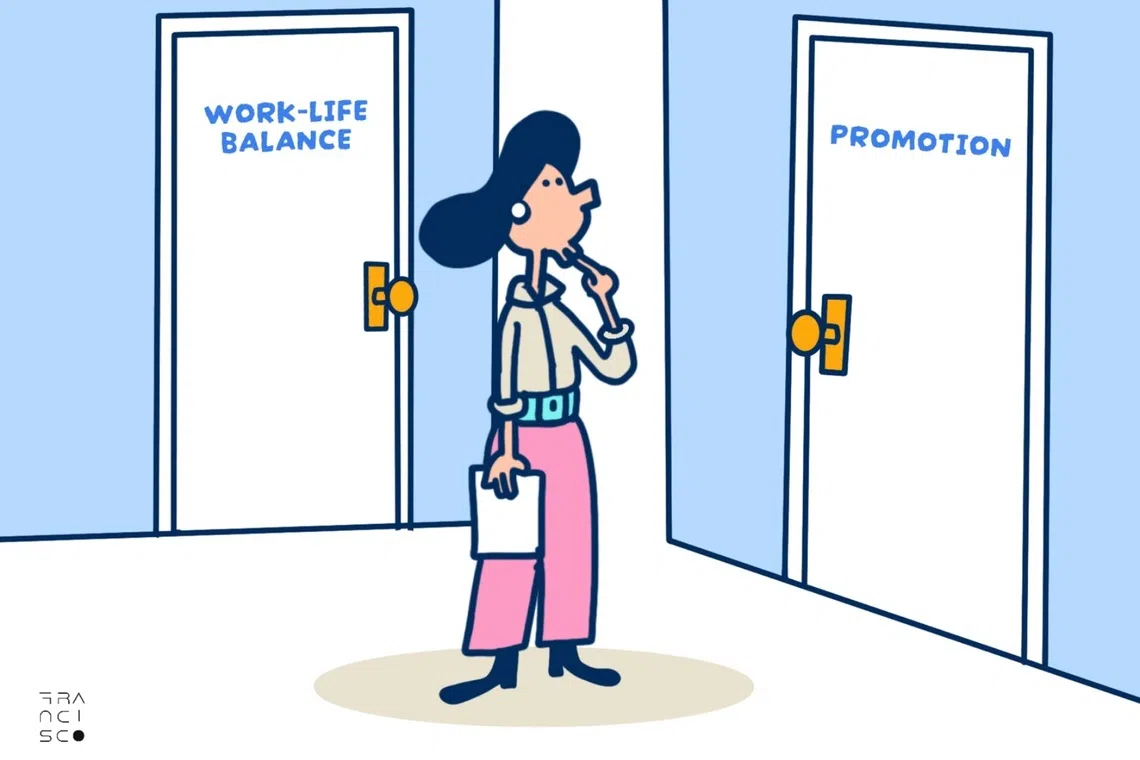
More professionals across Asia are reconsidering whether career progression should come at the cost of personal time and well-being. The choice to turn down a promotion, once viewed as career suicide, is gaining acceptance as employees reassess their priorities in the post-pandemic workplace.
Career advisers note that rejecting advancement opportunities reflects a maturing workforce that values quality of life alongside financial gain. The decision is not one to take lightly, however, as turning down promotions can have lasting implications for future opportunities, salary trajectory, and professional relationships within an organisation.
When faced with such choices, professionals should conduct a thorough assessment of the proposed role's demands, including travel requirements, working hours, and stress levels. Equally important is understanding the broader career landscape—whether similar opportunities will emerge later, and how the rejection might be perceived by management and peers.
Experts recommend having candid conversations with supervisors about concerns before declining. Some organisations may offer alternatives, such as modified roles, flexible arrangements, or staggered timelines that allow employees to advance without sacrificing work-life balance entirely. Open dialogue can sometimes bridge the gap between ambition and well-being that initially appeared insurmountable.