World · India Bureau
Caribbean artificial reef project shows promise for marine habitat restoration
A decade-long initiative in Grenada has demonstrated the potential of concrete structures to support marine biodiversity, though scientists say more research is needed to assess their long-term impact on ocean ecosystems.
LSN India ·
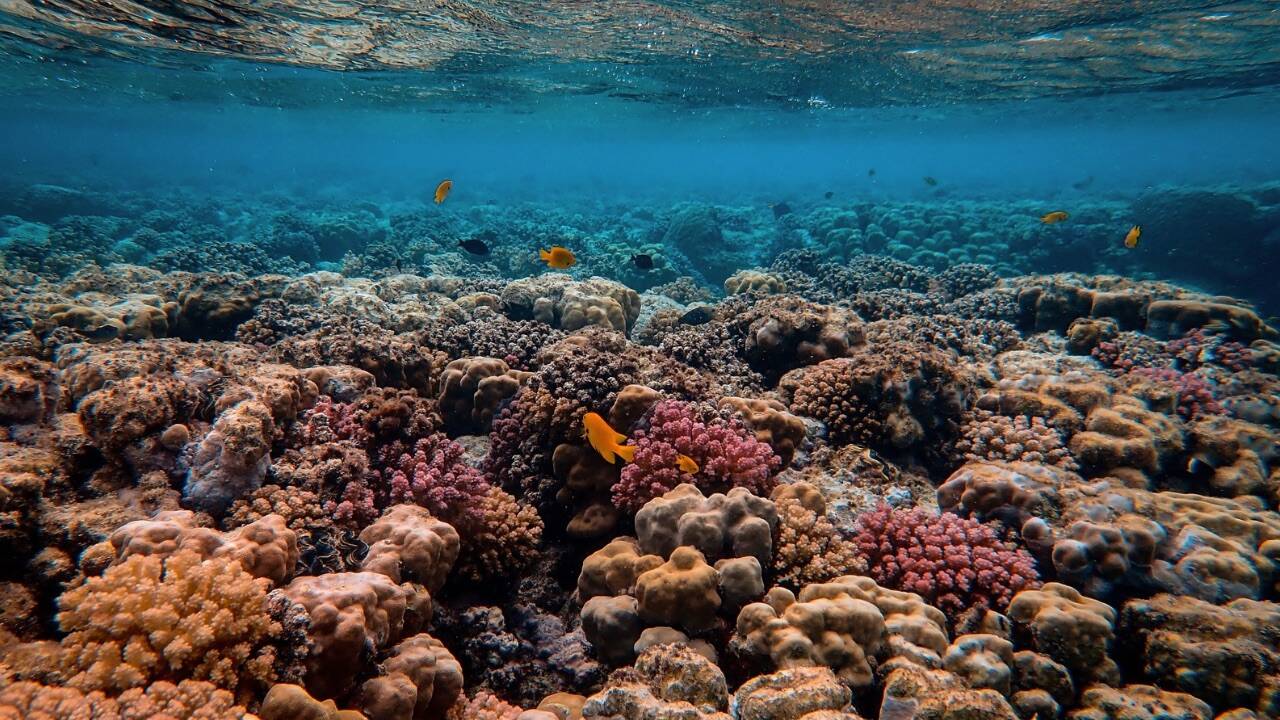
Since 2013, the Grenada Artificial Reef Project has deployed thousands of concrete blocks arranged in pyramid formations across the Caribbean seabed in an effort to create new habitats for marine life. The innovative approach emerged as a response to declining natural coral reef systems, which face mounting pressures from climate change, pollution, and overfishing.
Early results from the initiative have been encouraging. Within months of the structures' placement, researchers observed rapid colonisation by algae and various invertebrate species, suggesting the artificial reefs were successfully providing substrate for marine organisms to thrive. Fish species typically found in natural reef environments have also been documented around the cinder-block pyramids, indicating the structures attract diverse fauna.
However, marine scientists caution that the project remains in its evaluation phase. While the artificial reefs demonstrate clear capacity to support marine life in the short term, researchers emphasise that comprehensive long-term studies are essential to determine whether these structures meaningfully contribute to natural reef recovery. Questions also persist regarding potential ecological impacts on adjacent marine environments and the sustainability of such interventions over decades.
The Grenada initiative represents one of several artificial reef projects underway globally, as coastal nations seek innovative solutions to preserve marine biodiversity. Experts suggest that while artificial reefs show promise as a conservation tool, they should complement rather than replace efforts to protect existing natural reef systems and address underlying environmental threats.