World · India Bureau
Carter's Georgia farm pioneered residential solar energy decades ago
Former US President Jimmy Carter's Plains, Georgia home once drew 60 percent of its electricity from solar panels installed in the 1970s, making it an early example of renewable energy adoption in residential settings.
LSN India ·
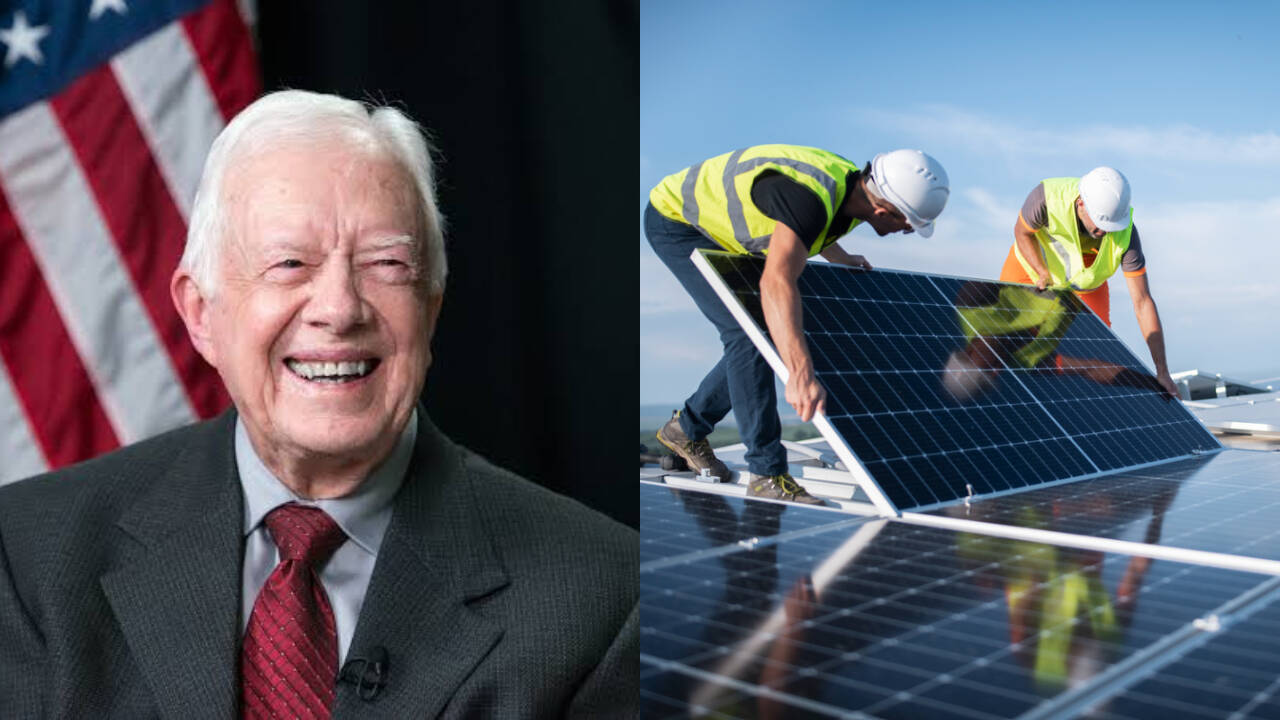
Jimmy Carter's commitment to renewable energy extended beyond his political career to his personal life, as demonstrated by the solar installation at his farm in Plains, Georgia. The system, which was among the earliest residential solar projects in the United States, generated sufficient electricity to meet a significant portion of the household's power needs during its operational period.
Installed during the energy crisis of the 1970s, the solar panels represented Carter's personal investment in sustainable technology at a time when such installations were uncommon in American homes. The system's performance highlighted the viability of solar energy for residential use, even during an era when the technology was in its infancy and faced significant cost barriers.
The Plains farm solar project gained historical significance as Carter emerged as one of the earliest high-profile advocates for renewable energy in the United States. His willingness to adopt solar technology on his own property underscored his conviction about the importance of developing alternative energy sources.
The installation served as a notable symbol of Carter's environmental philosophy and his efforts to promote energy independence and sustainability. While solar technology has advanced considerably since the 1970s, Carter's pioneering residential system remained a landmark example of early renewable energy adoption in America.