Politics · India Bureau
Case Backlogs Must Be Assessed Against New Filings: Ex-CJI
Former Chief Justice of India Sanjiv Khanna has cautioned against viewing court case pendency in isolation, emphasizing the need to contextualise delays within the framework of fresh judicial filings and disposals. He underscored that while judicial delays harm economic growth, the most significant casualty remains the erosion of personal liberty.
LSN India ·
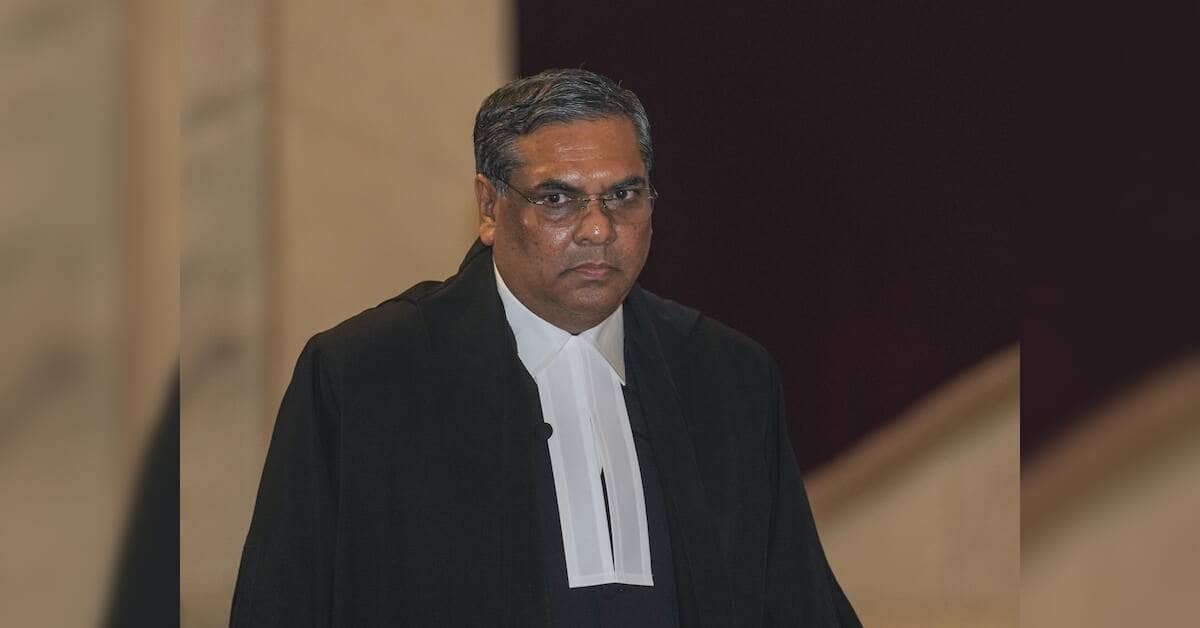
In remarks highlighting the complexity of assessing judicial efficiency, the former Chief Justice stressed that pendency figures require nuanced interpretation. Rather than treating accumulated cases as standalone data points, Khanna suggested that meaningful analysis must account for the volume of new cases entering the system alongside the rate at which courts are resolving matters.
The former jurist acknowledged the economic toll of judicial delays, noting that protracted litigation creates headwinds for business and investment. However, he positioned the impact on individual liberty as the more pressing concern, particularly for those seeking timely justice through the courts.
Khanna's observations come amid ongoing scrutiny of case backlogs in Indian courts, where millions of matters remain pending across district and higher judicial forums. His emphasis on contextual analysis appears aimed at encouraging a more sophisticated understanding of systemic performance beyond raw pendency numbers.
The remarks reflect broader judicial discourse on balancing caseload management with resource allocation and procedural efficiency. They suggest that comprehensive assessment of the judiciary's functioning requires examination of multiple metrics rather than reliance on headline figures of accumulated cases alone.