Politics · India Bureau
Case mounts for non-partisan local body elections across India
Experts and administrators argue that holding municipal elections on party lines exacerbates governance challenges and diverts focus from local civic priorities. Proponents of non-partisan polls contend that party involvement unnecessarily politicizes urban administration.
LSN India ·
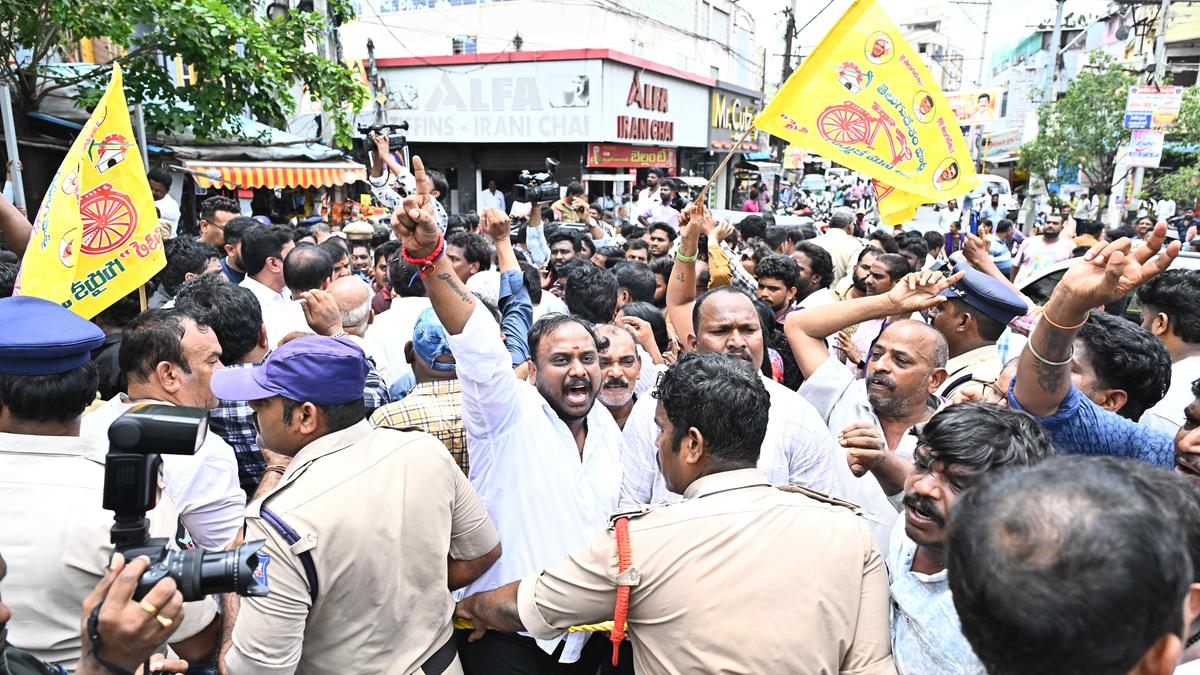
Debate is intensifying in India over whether political parties should participate in local body elections, with critics arguing that partisan contests undermine the effectiveness of municipal governance. Under the current system, major political parties field candidates for urban local body polls, transforming what should be neighborhood-focused elections into extensions of state and national political rivalries.
Advocates of non-partisan municipal elections contend that party involvement raises the stakes unnecessarily, shifting attention from practical civic matters to broader ideological and political agendas. They argue this politicization diverts resources and attention from core urban issues such as infrastructure, sanitation, water supply, and local development that should transcend partisan divisions.
Proponents of reform point to systemic inefficiencies they attribute to party politics in local governance. When candidates campaign on party platforms rather than local solutions, they say, municipal performance becomes secondary to maintaining party loyalty and securing higher-level political support. This dynamic, critics argue, has contributed to persistent governance failures in many Indian cities.
The debate reflects broader concerns about the effectiveness of India's municipal systems. Supporters of non-partisan elections suggest that restricting candidates to independent status would refocus municipal bodies on delivering services and infrastructure rather than serving party interests, potentially improving civic outcomes across urban areas.