World · India Bureau
Caste-based reservations policy creates political minefield for BJP ahead of polls
The University Grants Commission's new equity regulations have emerged as a contentious issue with significant electoral implications, particularly in states like Uttar Pradesh where caste politics dominates the political landscape.
LSN India ·
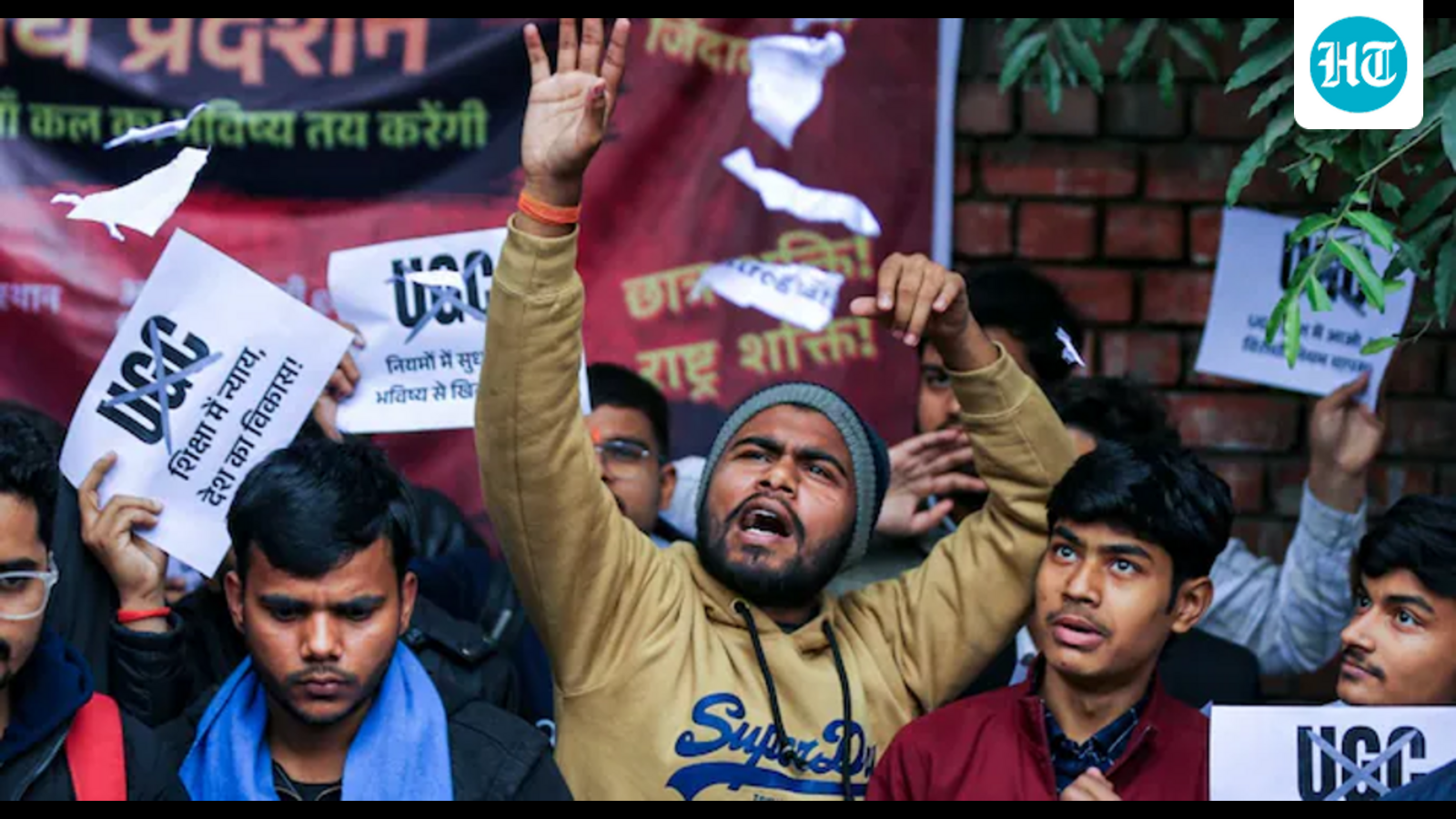
The University Grants Commission's recent equity framework has created an unexpected political challenge for the BJP as the party navigates competing pressures from its traditional voter base and social justice demands. The regulations addressing caste-based reservations in higher education have become a flashpoint in national discourse, with implications extending far beyond academic policy.
In politically significant states such as Uttar Pradesh, where caste-based social hierarchies and reservations policy have historically shaped electoral outcomes, the issue threatens to disrupt the BJP's carefully calibrated political messaging. The party faces the difficult task of balancing its core ideological commitments with the electoral arithmetic of diverse constituencies, many of which have strong views on reservations and social equity.
The controversy reflects deeper tensions within Indian politics over affirmative action policies. While some argue that existing reservation frameworks require modernization to remain relevant, others contend that any dilution of protections for disadvantaged communities represents a reversal of social progress. These competing narratives have given opposition parties ammunition to mobilize voters across caste lines.
As electoral campaigns intensify across multiple states, political parties are likely to weaponize the UGC regulations, using them as a litmus test of commitment to either social justice or administrative efficiency. For the BJP, the challenge lies in articulating a coherent position that does not alienate either its upper-caste supporters or its expanding base among backward castes and other communities.