World · India Bureau
Cats use urine 'chemical signatures' to identify each other, study finds
Scientists have discovered that cats rely on specific fatty acids in their urine to create unique chemical identifiers, allowing them to recognise individual felines through scent alone. The research sheds light on how cats maintain complex social networks and communicate with one another.
LSN India ·
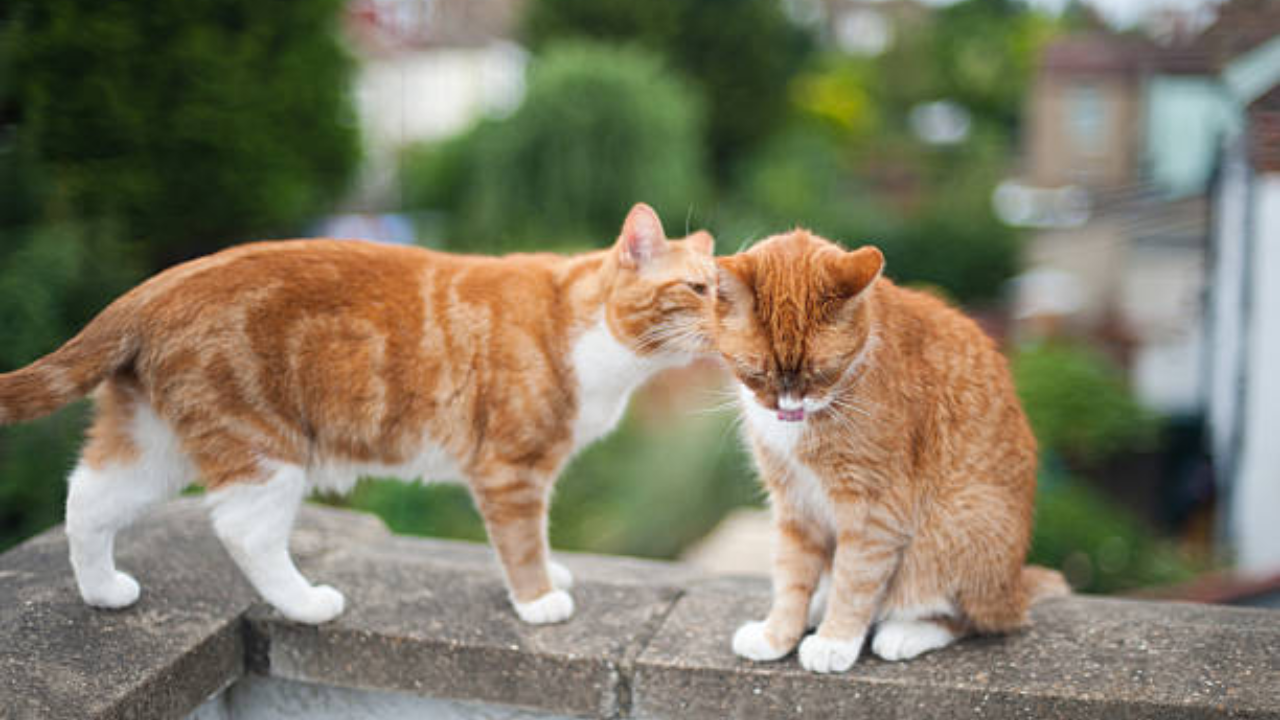
A new scientific study has revealed that cats employ branched-chain fatty acids present in their urine as distinctive chemical signatures, functioning much like personal identification cards in the animal world. These compounds enable cats to distinguish between individuals and maintain a persistent record of scent information long after the urine itself has degraded.
The research demonstrates that cats possess the ability to recall individual urine aromas with remarkable accuracy, suggesting a sophisticated olfactory memory system. This capability allows felines to map their social environments and track the movements and presence of other cats within their territories, even when direct contact is absent.
According to the findings, the kidneys may play a crucial role in storing and concentrating these scent-forming molecules, providing cats with a biological mechanism to produce chemically distinct urine signatures. Each cat's unique combination of fatty acids creates an identifiable profile that other felines can detect and remember.
The study offers significant insights into feline communication and social behaviour, suggesting that what appears to be simple scent-marking behaviour actually represents a sophisticated system of chemical signalling. Understanding these mechanisms could have broader implications for animal behaviour research and may inform how cats interact within multi-cat households and wild populations.