Business · India Bureau
Cattle grazing emerges as tool for ecosystem protection on US ranch
A conservation experiment in Wyoming demonstrates that managed livestock grazing can support biodiversity and protect grassland ecosystems. The approach is reshaping how environmental organisations balance agricultural practices with ecological preservation across North America.
LSN India ·
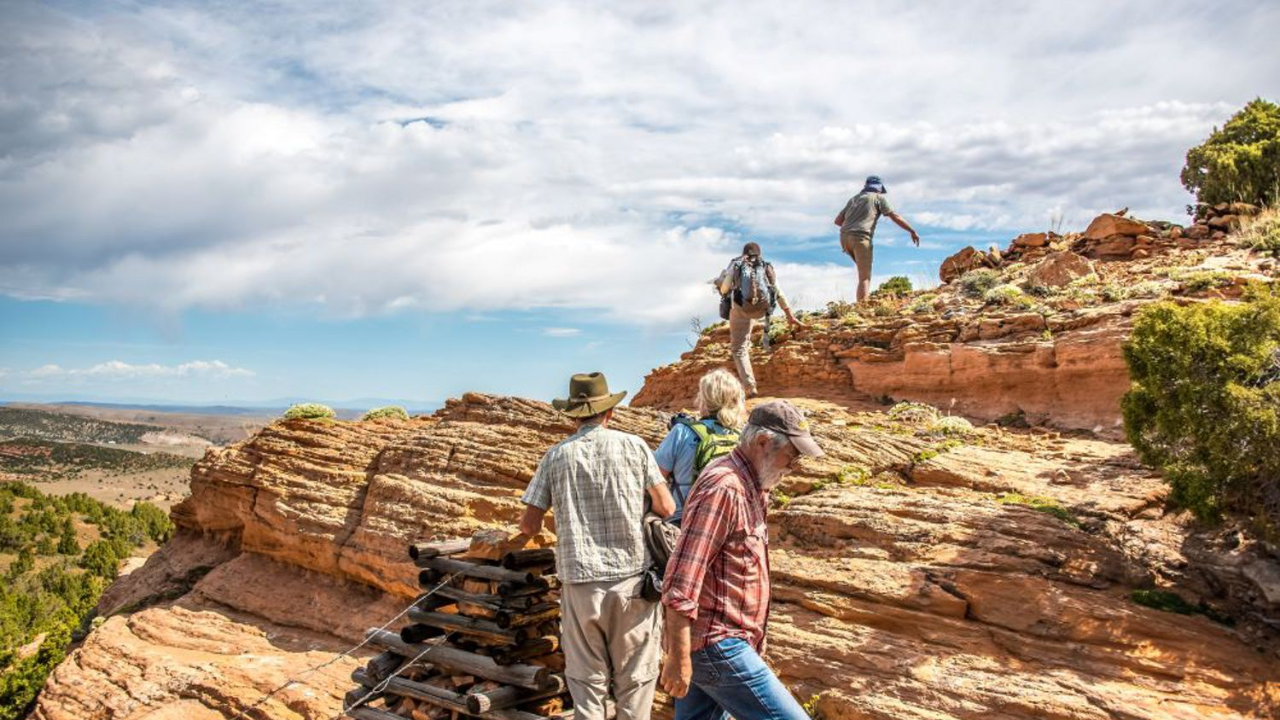
Conservationists have found an unexpected ally in cattle at Red Canyon Ranch in Wyoming, where a controlled grazing programme is proving effective in maintaining healthy ecosystems. Rather than removing livestock after acquiring the property for conservation purposes, environmental groups maintained cattle on the ranch to test whether managed grazing could support rather than harm biodiversity.
The strategy relies on mimicking historical grazing patterns that shaped grassland ecosystems for millennia. By carefully managing cattle density, timing, and rotational grazing practices, researchers have observed improved soil health, diverse plant communities, and enhanced habitat for wildlife species that depend on grassland environments.
This model addresses a longstanding tension in conservation biology: the challenge of preserving natural landscapes while supporting rural livelihoods and agricultural economies. The Wyoming experiment demonstrates that with proper management, livestock agriculture and ecological protection need not be mutually exclusive goals.
The findings from Red Canyon Ranch are informing conservation strategies across the American West, where land managers and environmental organisations are increasingly adopting similar grazing approaches. The success suggests that well-designed agricultural practices can contribute to ecosystem health, offering a pathway for balancing competing land-use priorities in sensitive environments.