World · India Bureau
CBSE Reshapes Education Model with Vocational Pathways for Students
India's Central Board of Secondary Education is broadening its definition of academic success by integrating vocational training options into its curriculum framework. The move aims to provide alternative career trajectories beyond traditional university-focused education.
LSN India ·
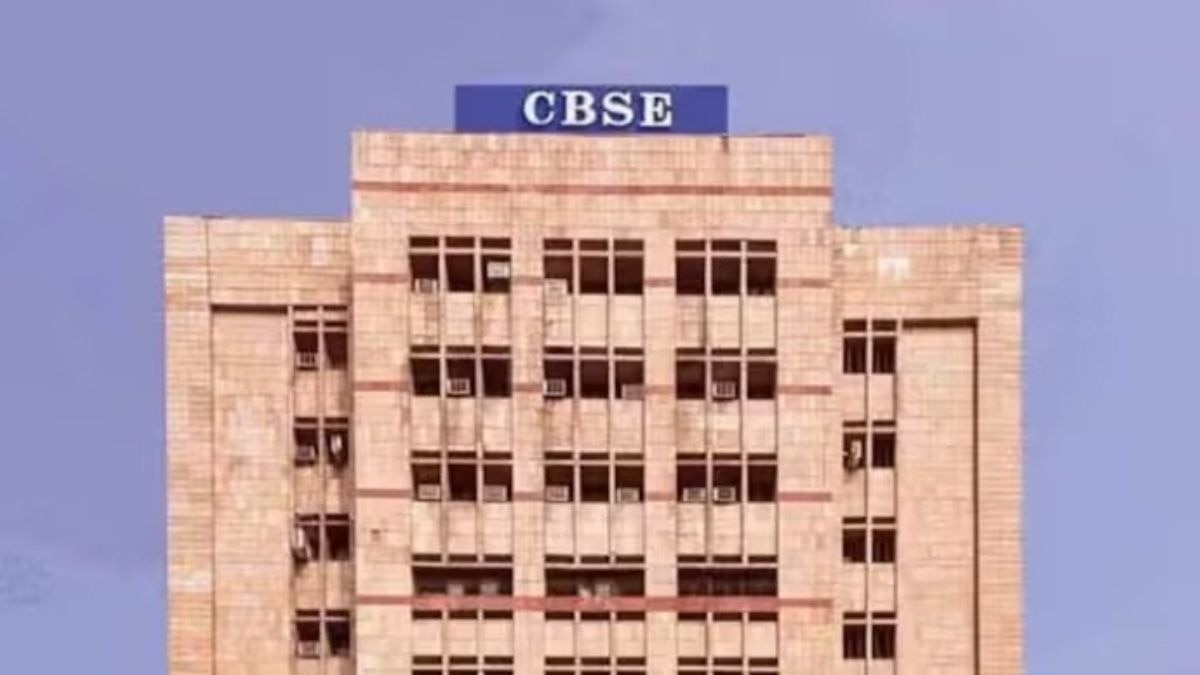
The Central Board of Secondary Education has initiated a significant curriculum reform that positions vocational education as a mainstream educational choice rather than a fallback option. This approach signals a fundamental shift in how student achievement and career readiness are measured within India's secondary education system.
Under the revamped framework, students now have the flexibility to combine academic subjects with skill-based vocational courses aligned with industry requirements. The integration allows learners to pursue certifications in areas such as information technology, healthcare, hospitality, and manufacturing sectors while simultaneously completing their regular board examinations.
Educators and policymakers behind the initiative argue that this diversification addresses India's persistent skills gap and reduces pressure on students pursuing solely academic trajectories. By legitimizing vocational pathways, the board recognizes that student success encompasses varied outcomes—from higher education progression to direct workforce entry with recognized credentials.
The vocational option particularly benefits students from economically disadvantaged backgrounds, offering practical employment opportunities immediately upon certification. Schools implementing the new framework report increased student engagement as learners connect curriculum content to real-world applications and viable career prospects.
The CBSE's approach aligns with broader national efforts to enhance employability among India's youth population and create a more responsive education system that serves diverse student aspirations and regional economic needs.