World · India Bureau
CCI seeks views on PVR INOX plan to scrap upfront VPF payments
The Competition Commission of India has opened a public consultation on PVR INOX's proposal to eliminate Virtual Print Fee charges for film producers. The multiplex operator is offering an alternative model with per-show service charges or revised revenue-sharing terms.
LSN India ·
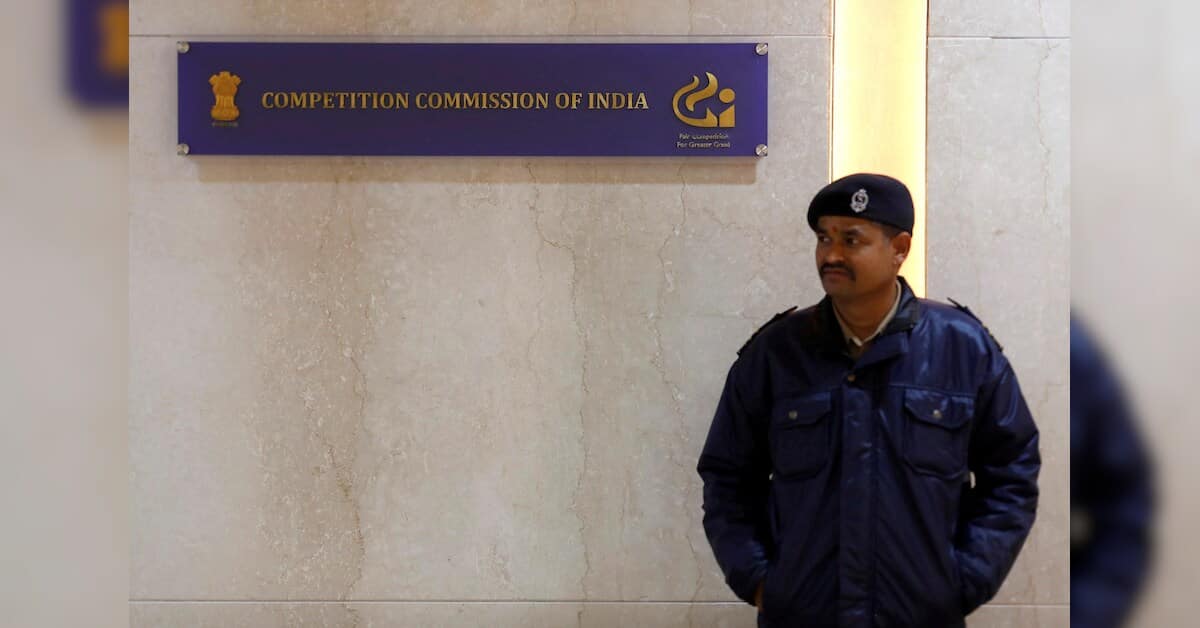
The Competition Commission of India (CCI) has invited public comments on a proposal by PVR INOX to discontinue Virtual Print Fee (VPF) charges, a longstanding practice in the Indian cinema exhibition sector. The move marks a significant potential shift in how multiplex operators and film producers conduct financial arrangements.
Under the current system, producers are required to pay upfront VPF charges to exhibitors for digital cinema technology deployment. PVR INOX's proposal seeks to eliminate this practice and instead offer producers an alternative framework comprising two options: a per-show exhibition service charge or a restructured revenue-sharing arrangement. The company has framed the change as a potential streamlining of industry practices.
The CCI's consultation process allows stakeholders—including independent filmmakers, production houses, and other exhibition chains—to submit their perspectives on the proposal's competitive implications. The regulator is examining whether the proposed changes could affect market competition, pricing structures, and the operational dynamics between producers and exhibitors.
VPF charges have long been a contentious issue in India's film industry, with smaller producers often citing them as a significant financial burden. The CCI's intervention suggests growing regulatory scrutiny over exhibition practices and their impact on content creators' viability. The outcome of this consultation could potentially reshape commercial arrangements across the Indian multiplex sector.
Industry observers note that any regulatory decision on this matter may have wider implications for how digital cinema technology is monetized and which parties bear associated costs in the exhibition value chain.