Politics · India Bureau
CEC can face prosecution like ordinary accused, Supreme Court told
A petition filed in India's Supreme Court argues that the Chief Election Commissioner is not immune from criminal prosecution for acts such as record manipulation or electoral process subversion. The plea contends that misconduct during official duties cannot be shielded as part of constitutional responsibilities.
LSN India ·
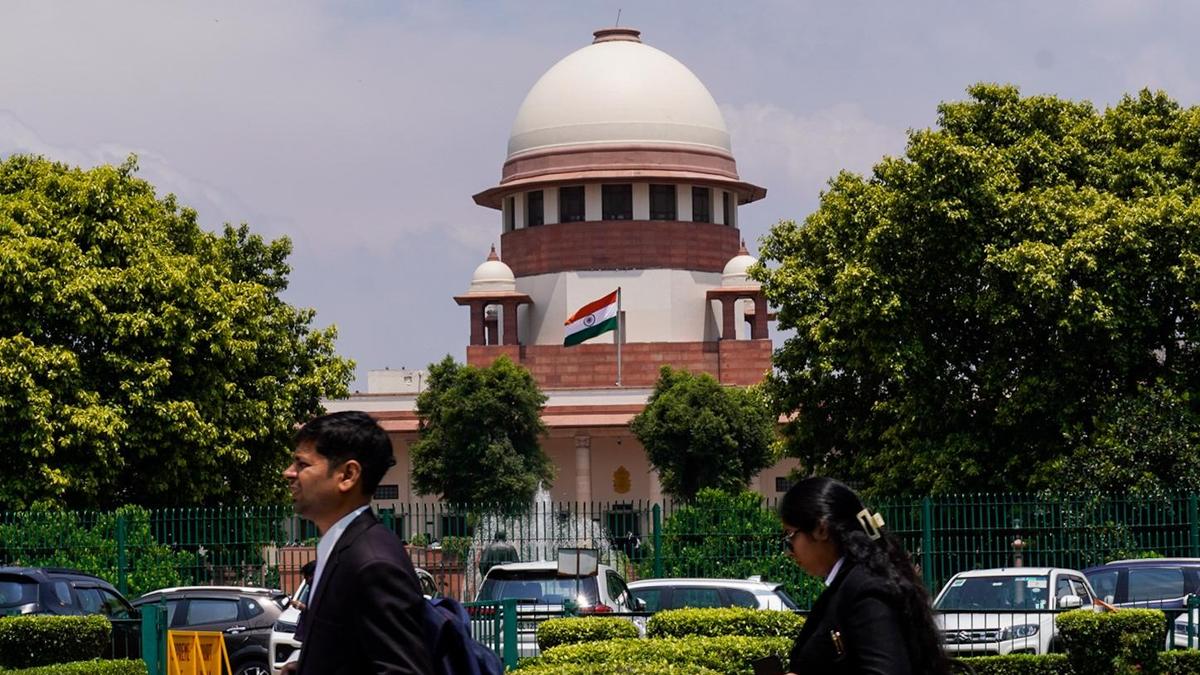
A petition has been filed in the Supreme Court contending that Chief Election Commissioner Gyanesh Kumar can be subjected to criminal investigation and trial as an ordinary accused, challenging any potential immunity claims based on his official position.
The petition argues that intentional manipulation of records, commission of forgery, or undermining of the constitutional electoral process cannot be justified or protected as integral functions of the Election Commission's duties. It asserts that such actions fall outside the scope of legitimate official conduct and remain prosecutable offenses.
The submission raises questions about the legal boundaries between protected official functions and criminal acts committed by constitutional functionaries. It seeks to establish that high office does not provide blanket protection for acts involving deception or subversion of democratic processes.
The petition's core argument centers on the distinction between legitimate exercise of electoral authority and criminal conduct. It maintains that even constitutional officers are bound by the rule of law and cannot claim immunity for conduct that involves forgery, record tampering, or electoral manipulation.
The Supreme Court's response to this petition will likely have significant implications for accountability standards governing election administration and the legal status of constitutional functionaries in India.