World · Sri Lanka Bureau
Cement stabilisation technique piloted for rural road construction
Authorities in the North Western Province are testing cement stabilisation as a cost-effective alternative to traditional gravel-based road development. The method addresses funding constraints while maintaining road quality standards.
LSN Sri Lanka ·
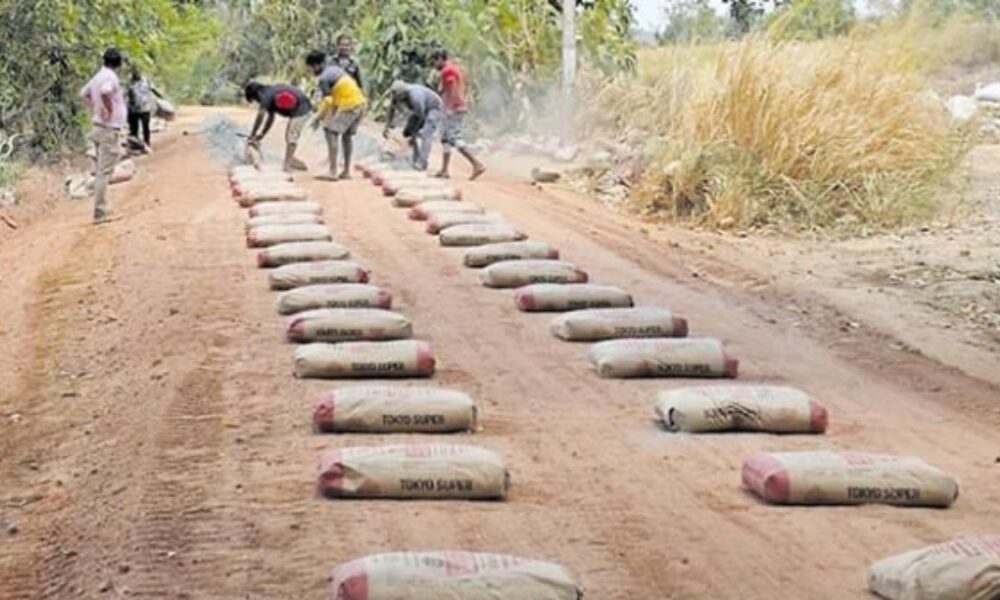
Provincial officials have introduced cement stabilisation technology for rural road projects across the North Western Province, marking a shift in infrastructure development strategy. The technique is being evaluated as a pragmatic alternative to conventional gravel road construction, which requires sustained financial investment for maintenance and repeated material replenishment.
Under the cement stabilisation method, engineers first conduct detailed examination of the existing soil layer before treatment begins. The process involves mixing cement with native soil to create a more durable road surface, reducing dependency on imported aggregate materials and lowering long-term maintenance costs.
The initiative addresses persistent budget limitations that have constrained rural road development programmes across the province. By utilising locally available soil resources and minimising material transportation expenses, the technique enables authorities to expand road networks more rapidly than traditional approaches while maintaining structural integrity.
Provincial development authorities are monitoring the pilot projects closely to assess the performance and durability of cement-stabilised surfaces under local climatic and traffic conditions. Results from these trials will inform decisions on broader implementation across the North Western Province's rural road portfolio.