Business · India Bureau
Census 2027 to drop separate count of beggars, vagrants
India's upcoming Census 2027 will mark a significant methodological shift by eliminating the separate enumeration of beggars and vagrants, a category tracked in all previous census exercises. The change signals a departure from decades of recording this population as a distinct non-economic activity group.
LSN India ·
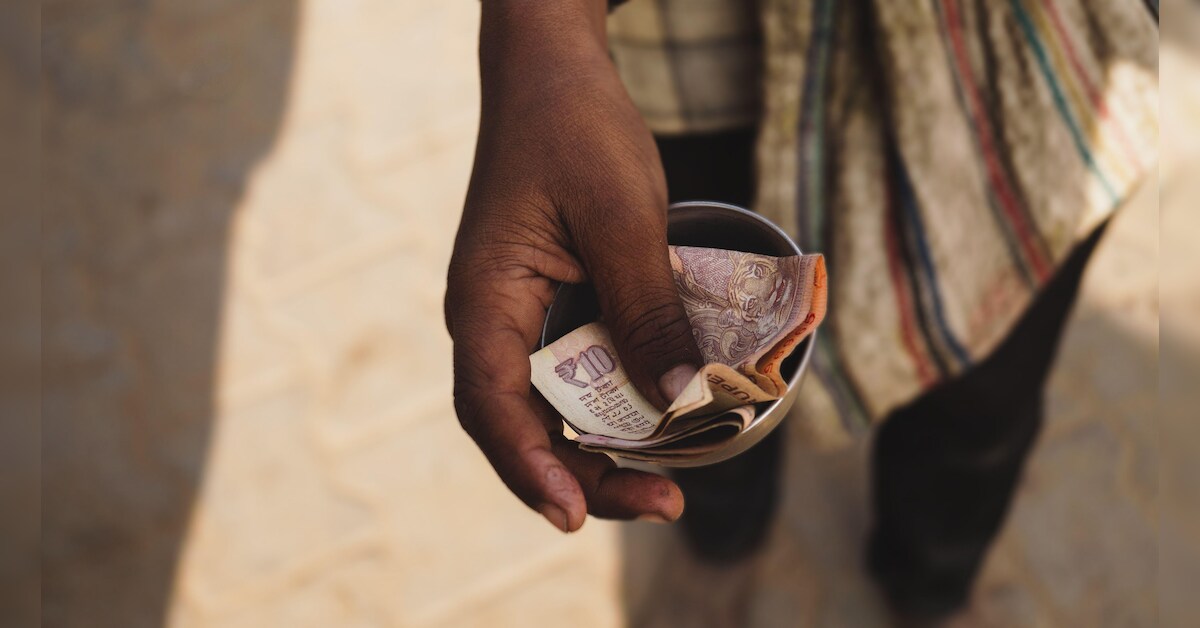
The decision to discontinue separate documentation of beggars and vagrants represents a notable recalibration in how India's decennial census captures marginalised populations. Previous census operations, dating back several decades, have consistently recorded individuals engaged in begging or vagrancy as a distinct category under non-economic activities, providing policymakers and researchers with specific demographic data on this vulnerable segment.
Census officials have indicated that Census 2027 will adopt a revised classification framework that integrates these populations into broader occupational and activity categories rather than maintaining a standalone enumeration. The shift reflects evolving approaches to data collection and social categorisation in the national statistical exercise.
The move has implications for policy planning and social welfare programmes that have historically relied on census data to quantify and target assistance to beggars and vagrants. Researchers and civil society organisations tracking homelessness and urban poverty may face challenges in obtaining comparable longitudinal data, as the new methodology will not provide direct figures on this population subset.
The Census 2027 framework represents one of several methodological changes expected in the upcoming exercise, reflecting broader discussions within India's statistical establishment about how best to capture demographic realities and social conditions. Officials are expected to provide further clarification on alternative data collection mechanisms for vulnerable populations as the census approaches.