Politics · India Bureau
Census caste data processing method remains undecided amid opposition
As the government prepares for the 2027 Census, questions loom over how to handle caste information recorded in open-column format. Opposition parties and OBC groups are pushing back against the approach, citing implementation challenges from the previous census exercise.
LSN India ·
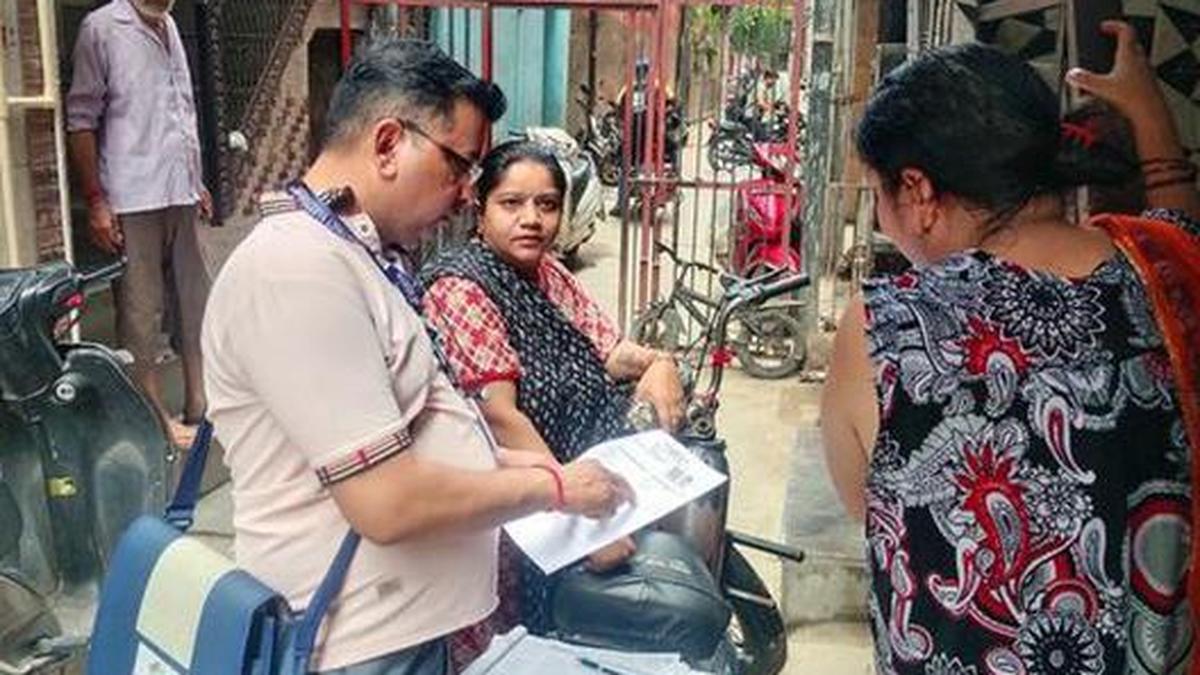
The government has yet to clarify its methodology for processing and tabulating caste data collected through open-column entries in the upcoming 2027 Census, drawing criticism from opposition parties and backward caste organisations.
The open-column format allows respondents to write in caste names without predefined options, a system previously used in the 2011 Socio-Economic Caste Census. That exercise generated over 46 lakh distinct caste entries, creating a complex dataset that has remained largely unprocessed more than a decade later.
Opposition groups argue the open-column approach proved unwieldy during the last census cycle. They contend that successive governments failed to act on the findings, raising concerns about the government's ability to meaningfully analyse and publish such data from the new census. The delayed processing of the 2011 data has fuelled scepticism about whether new caste census information would face similar administrative bottlenecks.
Experts highlight the substantial resource and time requirements needed to standardise, verify and tabulate such disparate caste entries. The lack of clarity on the methodology has become a flashpoint for those questioning the government's commitment to making the census results actionable for policy purposes.
The Census 2027 preparations are progressing amid broader debates over data collection standards and government capacity to deliver comprehensive analysis within reasonable timeframes.