Politics · India Bureau
Central bank signals case for higher interest rates amid economic pressures
Policymakers are increasingly making the case for raising the repo rate as inflation concerns and economic headwinds mount across the region. Officials cite multiple factors driving the need for tighter monetary policy.
LSN India ·
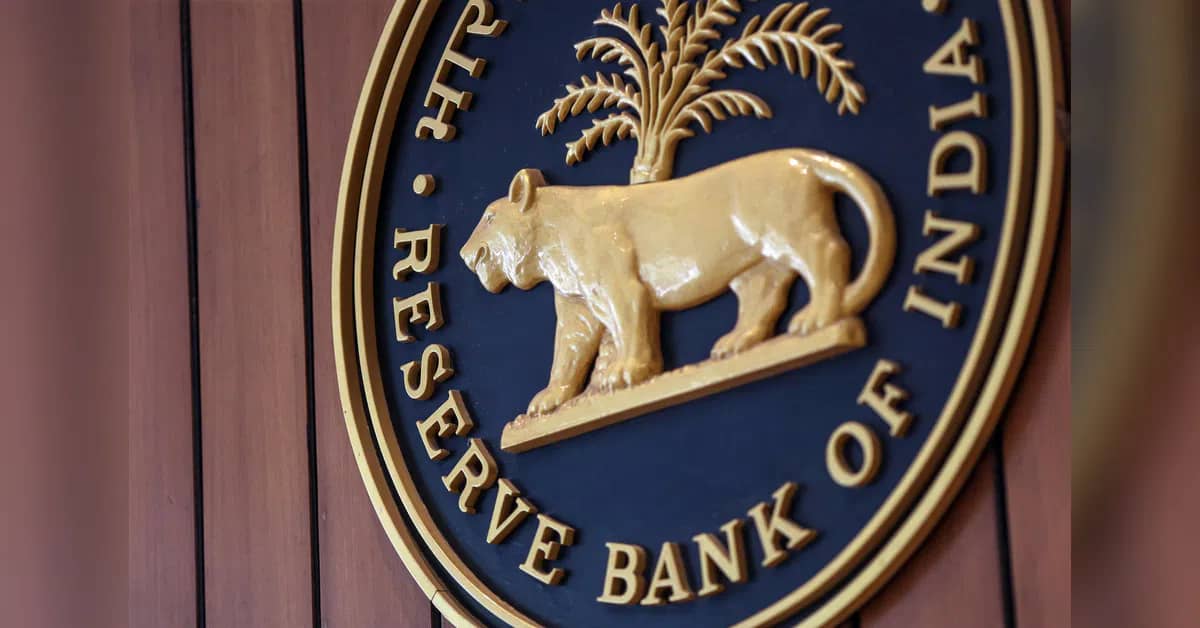
Economic conditions across South Asia are presenting a compelling rationale for central banks to increase their benchmark interest rates in coming months, according to policy analysts and financial observers. The repo rate, which serves as the foundation for lending costs throughout the banking system, has become a focal point in monetary policy discussions as authorities grapple with persistent inflationary pressures and currency volatility.
Several factors are converging to strengthen the case for rate increases. Rising commodity prices, supply chain disruptions, and elevated global inflation readings have created upward pressure on domestic price levels. Additionally, currency depreciation in regional markets has made imported goods more expensive, further fueling inflationary concerns that policymakers cannot ignore.
Central bank officials have signaled growing concern about the sustainability of current accommodative monetary stances adopted during earlier economic challenges. Higher rates would help anchor inflation expectations and prevent wage-price spirals that could become entrenched in the economy. The timing of such moves remains subject to careful assessment of growth trajectories and labor market conditions.
Market participants are closely monitoring policy committees for signals about the timing and magnitude of potential rate increases. Any adjustment to the repo rate carries significant implications for borrowing costs, investment decisions, and consumer spending patterns across the region. Analysts expect the debate over monetary tightening to intensify in coming quarters as fresh economic data becomes available.