Politics · India Bureau
Centre boosts non-urea fertiliser subsidy as global costs soar
The government has approved a substantial increase in fertiliser subsidies for the rabi season, with cabinet backing a ₹62,370 crore outlay as international input prices climb sharply. Sulphur-based products will see the steepest support, offering potential relief across complex fertiliser categories.
LSN India ·
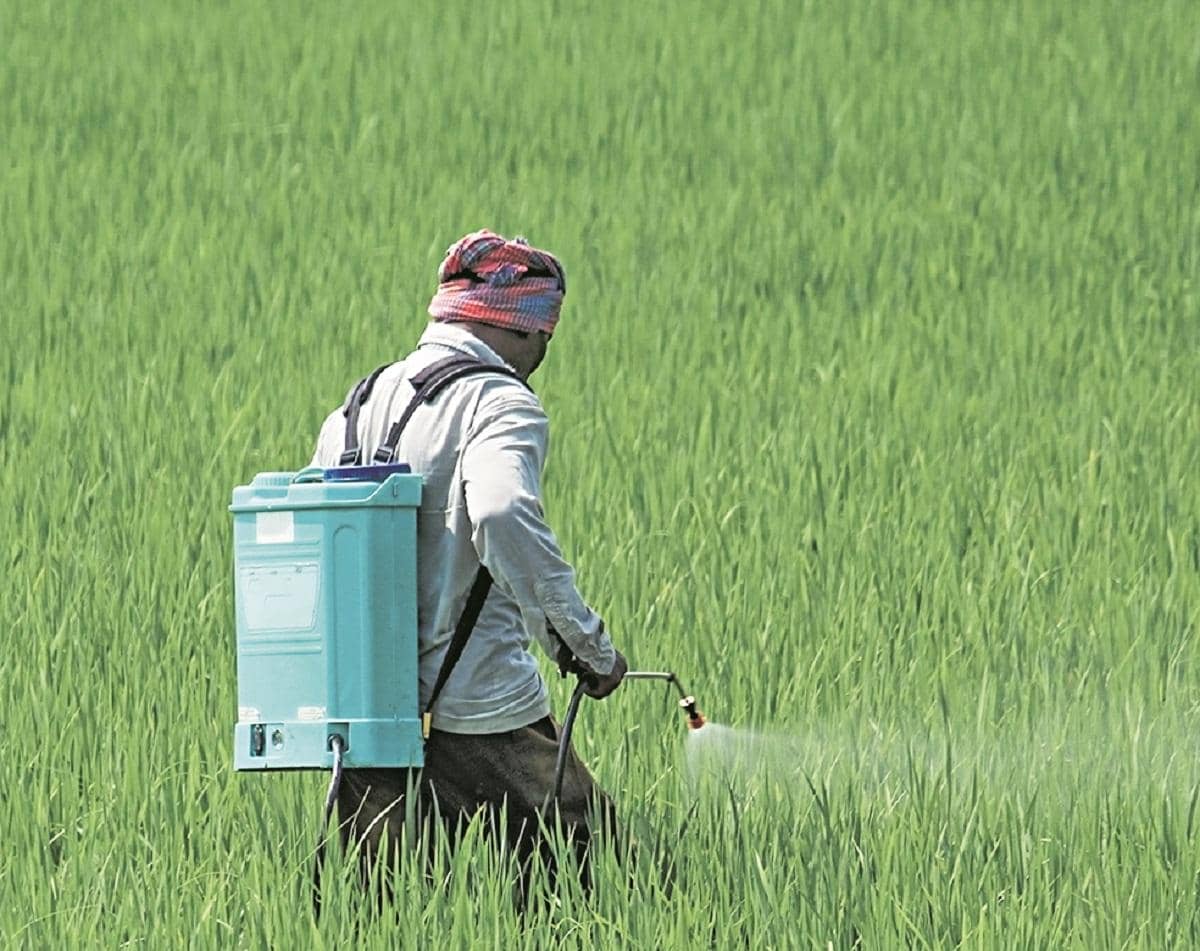
The Union Cabinet has sanctioned a significantly higher subsidy allocation for non-urea fertilisers during the 2026-27 rabi season, responding to mounting pressures from surging global commodity prices. The ₹62,370 crore subsidy package represents a substantial commitment to cushion farmers and domestic producers from volatile international markets.
Sulphur-based fertilisers are set to receive the most pronounced subsidy increases, reflecting their critical role in addressing soil deficiencies across Indian agricultural regions. The enhanced support is expected to translate into more affordable complex fertilisers, which combine multiple nutrients and are essential for balanced crop nutrition.
The decision comes as global input costs have climbed considerably, putting pressure on domestic fertiliser manufacturers and threatening to increase retail prices for farmers. By raising subsidies, the government aims to maintain affordability while protecting agricultural productivity during the crucial rabi planting season.
Industry stakeholders anticipate the subsidy hike will provide meaningful relief, particularly for complex fertiliser formulations that depend heavily on sulphur and other imported raw materials. The move underscores the government's commitment to ensuring price stability in agricultural inputs, a key concern for farming communities across the country.