World · India Bureau
Centre denies foreign pressure behind UPI merchant discount rate decision
The Indian government has rejected opposition allegations that external pressure influenced its decision to introduce a merchant discount rate on UPI transactions. The new levy will take effect from October 15.
LSN India ·
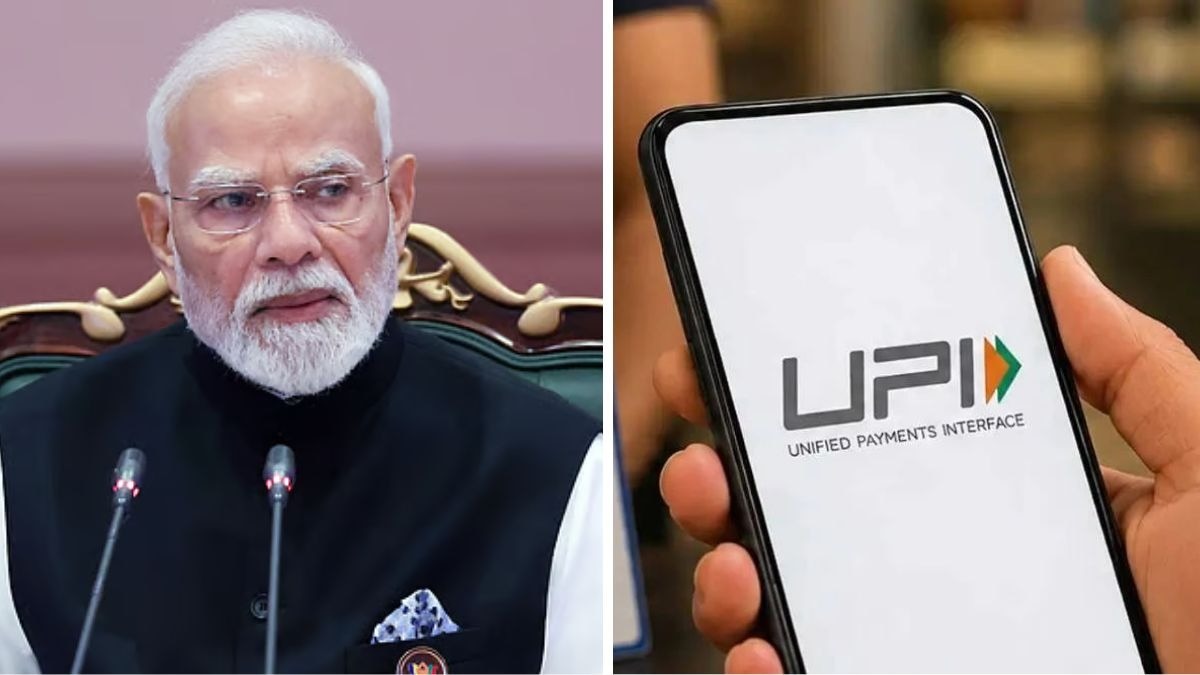
The centre has firmly dismissed claims that foreign pressure prompted its decision to impose a merchant discount rate (MDR) on certain UPI transactions, addressing criticism from opposition parties over the controversial policy shift.
Under the new framework effective from October 15, merchants will pay a 0.4 per cent MDR on transactions exceeding Rs 2,000 conducted through UPI. The charge will be borne by businesses accepting digital payments through the platform, marking a departure from UPI's traditionally fee-free structure.
However, the government has carved out several exemptions to shield smaller merchants and everyday transactions. Payments up to Rs 2,000, peer-to-peer transfers, and UPI QR code payments from small businesses earning up to Rs 1 lakh monthly will remain free of charges.
The MDR introduction represents a significant policy decision for India's digital payments ecosystem, which has seen explosive growth in UPI adoption over recent years. Officials insist the measure is driven by domestic policy considerations rather than external influence, though the government has provided limited detail on the rationale behind the new levies.