World · India Bureau
Centre extends Agniveer service tenure ahead of Uttar Pradesh polls
The central government has extended the service period for Agniveers by two years, a move seen as addressing concerns in recruitment-heavy regions of Uttar Pradesh ahead of the 2027 state elections. The extension aims to counter opposition criticism of the scheme's short tenure.
LSN India ·
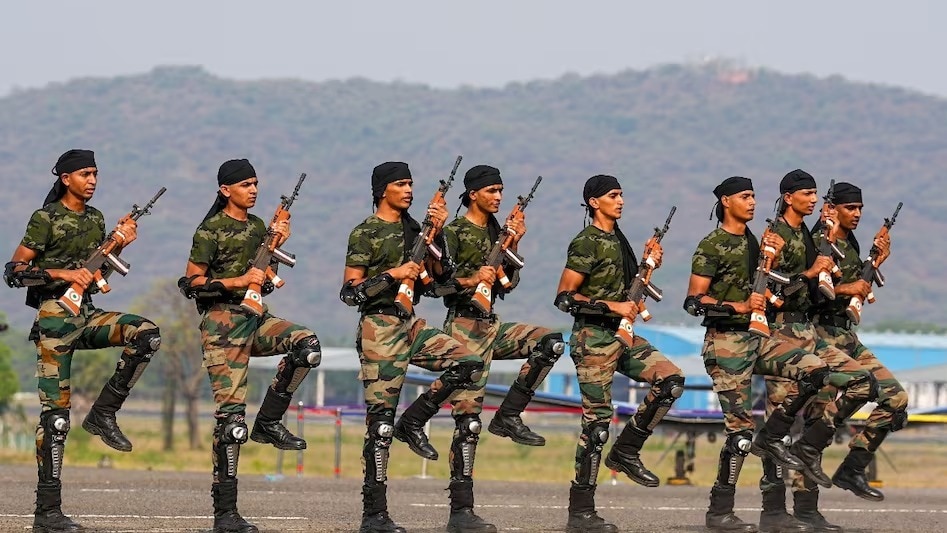
The Ministry of Defence has approved a two-year extension to the service tenure of Agniveers, the armed forces' short-term recruitment scheme, bringing the total possible service period to six years with superannuation benefits. The decision comes as the government seeks to address widespread concerns about the original four-year tenure among youth in Uttar Pradesh, a state historically significant for military recruitment.
The extension allows Agniveers to serve up to six years, with those completing four years of service becoming eligible for permanent commission or superannuation benefits at the end of their contract. Officials framed the measure as a response to feedback from recruit training centres and serving personnel.
The timing of the announcement, less than three years before the next Uttar Pradesh assembly elections, has drawn political attention. The original Agniveer scheme faced criticism from opposition parties and recruitment communities, who argued the four-year tenure left participants without long-term career prospects or adequate pension benefits upon discharge.
Civil society organisations and former military officers have previously expressed concerns about the scheme's sustainability and the challenges faced by Agniveers transitioning to civilian employment. The extension is expected to address some of these concerns, particularly in recruitment hubs across the Indo-Gangetic plains where military service has traditionally been a preferred career path.
The scheme, introduced in 2022, aims to enhance the armed forces' operational efficiency through a younger, tech-savvy workforce while reducing long-term pension liabilities. The latest modification marks a significant adjustment to the programme's original parameters.