World · India Bureau
Centre proposes new constitutional framework for Ladakh governance
The central government has put forward a plan to establish a directly elected legislative body for Ladakh through a new constitutional article, addressing concerns raised since the region's elevation to Union Territory status in 2019.
LSN India ·
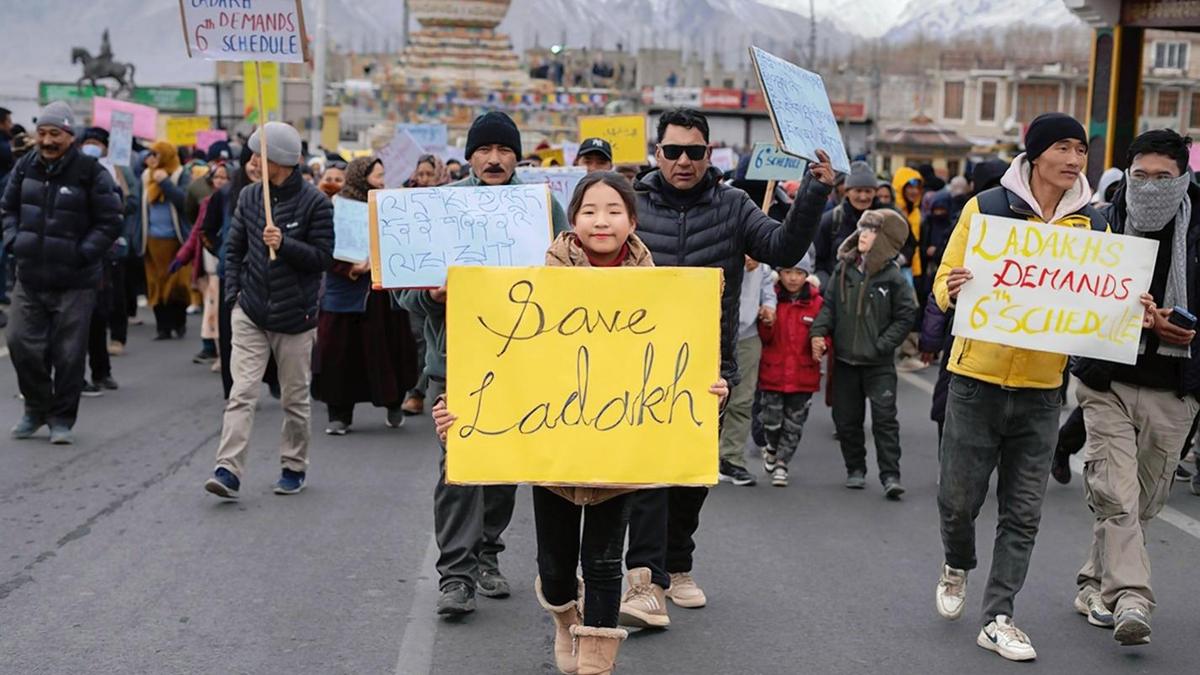
The Centre has proposed inserting Article 371-K into the Constitution to grant Ladakh its own elected legislative assembly, marking a significant shift in the region's governance structure following its separation from Jammu and Kashmir three years ago. The move comes in response to sustained pressure from local groups and political representatives who have voiced concerns about safeguarding Ladakh's distinct cultural and linguistic identity under the current administrative framework.
When Ladakh was carved out as a separate Union Territory under the Jammu and Kashmir Reorganisation Act, 2019, it was placed under direct central administration without a legislative body. This arrangement prompted widespread demands from civil society organisations and local leaders for special constitutional protections, with many calling for Sixth Schedule status—a provision that grants autonomy to certain tribal and ethnic regions in India's Northeast.
The proposed constitutional amendment would establish a directly elected legislative assembly for Ladakh, potentially addressing some of these concerns by providing the region with representative governance. However, it remains unclear whether the framework would include the broader protections sought under Sixth Schedule status, such as safeguards for local language, land rights, and cultural preservation.
Local groups have maintained that Ladakh's unique demographic composition and cultural heritage require stronger constitutional safeguards than those currently available. The Centre's proposal is viewed as a middle ground, though stakeholders await further details on the scope and nature of legislative powers that the new body would exercise.