World · India Bureau
Century-old German warships become valuable scrap metal resource
A fleet of 52 warships deliberately sunk by Germany in 1919 is now being salvaged for its steel, over 100 years after the vessels were scuttled. The reclaimed metal has become economically valuable in modern times.
LSN India ·
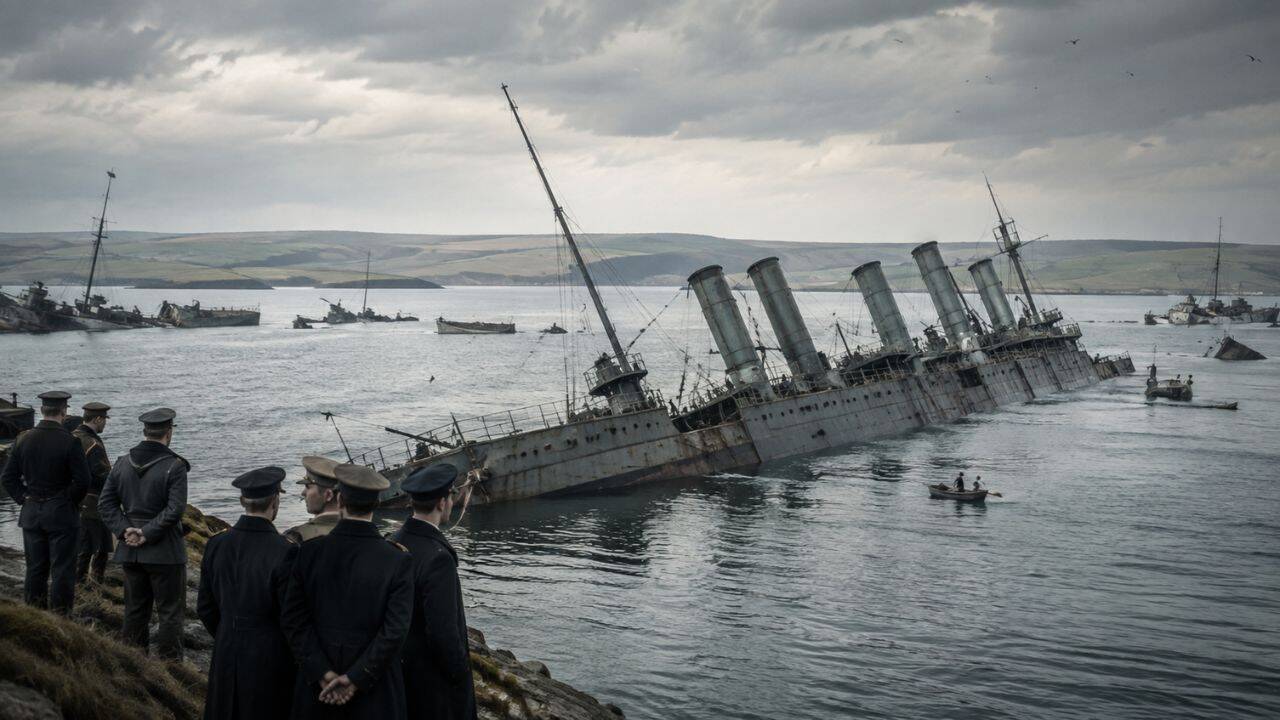
More than a century after German naval vessels were intentionally sunk off the Scottish coast in 1919, salvage operations have begun recovering the steel from these submerged warships. The 52 ships, part of the German Imperial Fleet, were deliberately scuttled by their crews following World War I as a strategic decision to prevent their seizure by Allied forces.
The decision to sink the fleet came during the peace negotiations following Germany's defeat in the Great War. Rather than allow the vessels to be claimed by the victorious Allied powers, German commanders ordered the ships to be flooded and sent to the seabed. The act represented both a tactical denial and a symbolic gesture of defiance.
More than a century later, these sunken vessels have attracted the attention of salvage companies seeking to recover their metal. Modern industrial demand for steel, combined with advances in underwater recovery technology, has made the operation economically feasible. The reclaimed material from these century-old ships is now being processed and reused in contemporary manufacturing and construction projects.
The salvage effort underscores how historical artifacts and wartime losses can acquire new economic significance across generations. What was once strategic military hardware now serves as a source of raw materials for modern industries, transforming a relic of early 20th-century conflict into a contemporary resource.