Culture & Entertainment · India Bureau
Century-old German warships' steel aids modern scientific breakthroughs
Decades after German naval vessels were deliberately sunk in Scotland's Scapa Flow in 1919, salvaged steel from the wrecks has become invaluable for cutting-edge scientific instruments. The pre-nuclear metal is now critical to radiation detection systems used in medical imaging and space exploration.
LSN India ·
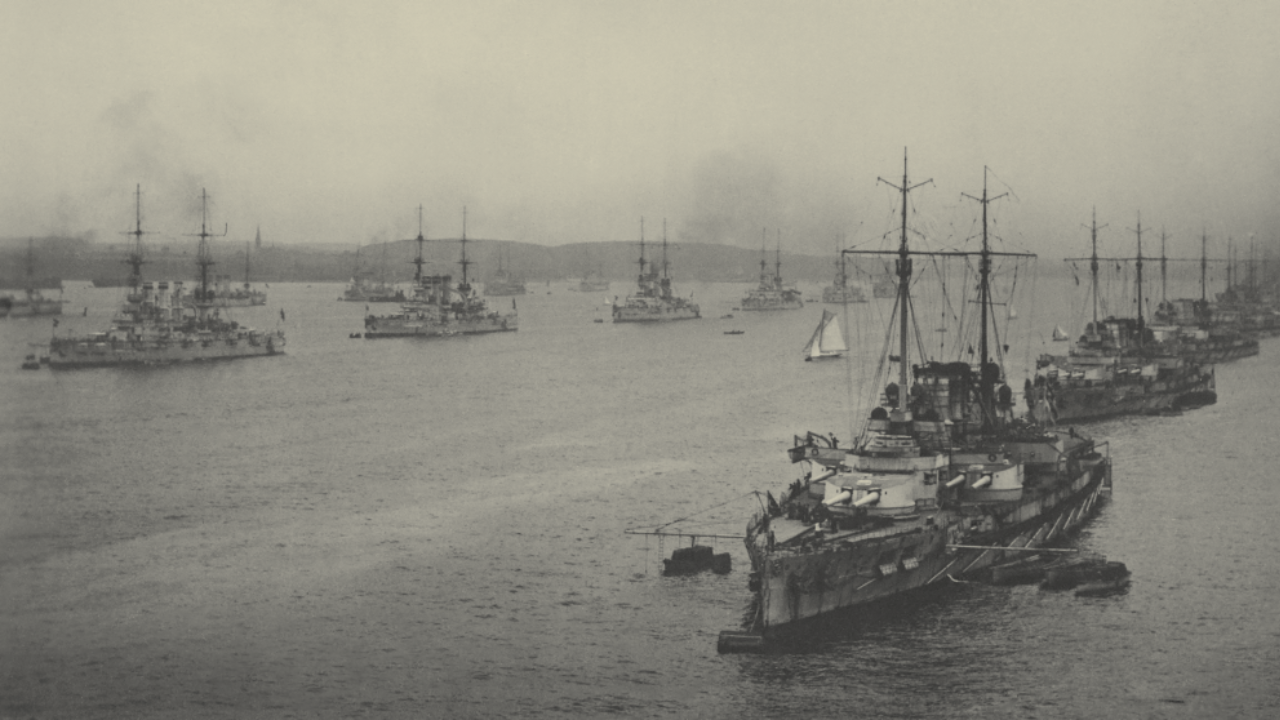
More than a century ago, German naval crews scuttled 52 warships at Scapa Flow, a natural harbour in Scotland's Orkney Islands, following their internment after World War I. The deliberate sinking of the vessels marked a dramatic end to Germany's High Seas Fleet, but it inadvertently created an unexpected legacy for modern science.
The steel salvaged from these submerged wrecks has proven extraordinarily valuable to contemporary researchers and engineers. Unlike steel produced after nuclear weapons testing began in the mid-20th century, the pre-nuclear metal is free from radioactive contamination—a critical characteristic for sensitive scientific instruments. This pristine material has been instrumental in manufacturing advanced radiation detectors that protect medical imaging equipment and deep-space probes from false readings caused by background radiation.
The unique properties of pre-1919 steel are so prized that salvage operations have continued intermittently for decades. Today, seven of the original 52 vessels remain on the seabed at Scapa Flow, preserved as underwater heritage sites. These remaining wrecks represent both a significant chapter in naval history and a reminder of how historical artifacts can serve unexpected contemporary purposes in the scientific community.