Business · India Bureau
Century-old 'ghost' green mamba specimen rediscovered in Polish museum
Researchers have located a long-lost green mamba specimen from São Tomé Island, originally catalogued in 1885 but presumed missing for decades. The discovery in a Polish museum collection offers scientists a rare opportunity to re-examine the snake's taxonomic classification and assess its survival prospects on the West African island.
LSN India ·
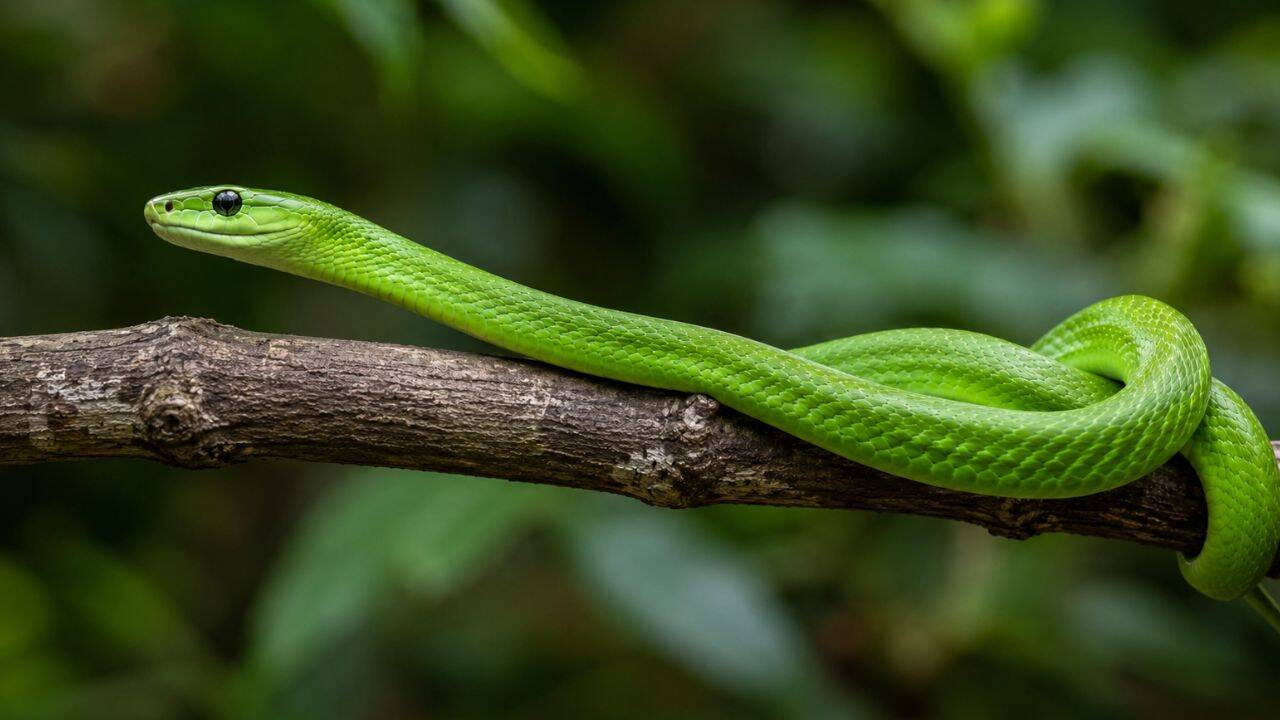
A remarkable scientific find has emerged from the depths of a Polish museum's collection: a green mamba specimen from São Tomé Island that vanished from scientific records over a century ago. The specimen, originally documented in 1885 during early explorations of the island, had been considered lost until researchers recently identified it among the institution's holdings.
The rediscovery is significant for herpetologists seeking to understand the snake's evolutionary history and classification. Physical examination of the preserved specimen reveals characteristics closely resembling those of the western green mamba, a species found across Central and West Africa. This morphological similarity has prompted scientists to reconsider the specimen's taxonomic position within the broader classification of green mamba species.
São Tomé Island, located off the coast of Central Africa, is home to numerous endemic species, some of which remain poorly documented. The rediscovered specimen provides tangible evidence of the snake's historical presence on the island, though its current status in the wild remains unclear. Conservation experts now face questions about whether the species persists on São Tomé today and what factors may have influenced any population changes since the 19th century.
The find underscores the value of museum collections in advancing biological knowledge. Researchers indicate that the specimen will facilitate comparative studies and potentially inform future fieldwork aimed at surveying São Tomé's herpetofauna.