World · India Bureau
Century-old invasive boar problem threatens US national park ecosystems
Feral European wild boars that escaped a hunting ranch over a century ago continue to devastate habitats in Great Smoky Mountains National Park. Park authorities conduct annual culls of around 275 animals in an ongoing battle against the invasive species.
LSN India ·
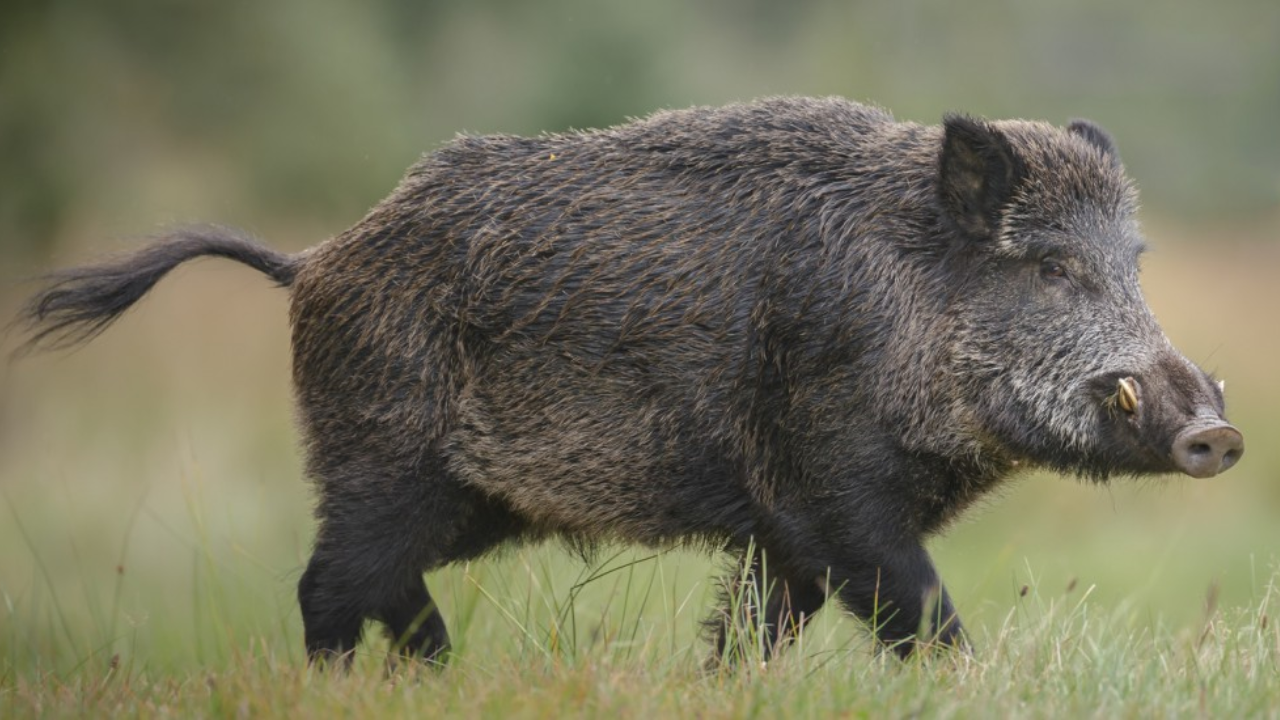
A population of invasive European wild boars, descended from animals that escaped a North Carolina hunting ranch in 1912, has become a persistent ecological threat within Great Smoky Mountains National Park. The feral hogs have proliferated across the region over the past hundred years, causing significant damage to the park's delicate native ecosystems.
Park management has implemented an aggressive population control strategy to mitigate environmental harm caused by the boars. Officials remove approximately 275 animals annually through a combination of trapping and shooting operations. Despite these efforts, the boar population remains difficult to contain due to their high breeding capacity and adaptability to the mountainous terrain.
The situation has been further complicated by interbreeding between feral boars and domestic pigs in the region. This hybridization creates new genetic variants that are increasingly difficult to distinguish and manage. The resulting hybrid animals display unpredictable behavior and traits that may enhance their survival in the wild, exacerbating the invasive species problem.
Beyond culling operations, park authorities have also deployed fencing strategies to restrict boar movement and protect particularly sensitive habitats. Conservation experts warn that without sustained population management efforts, the boars pose a long-term threat to native flora and fauna. The century-long struggle highlights the enduring consequences of introducing non-native species to protected environments.