World · India Bureau
Century-old reindeer introduction wreaks ecological havoc on South Georgia
A well-intentioned decision by Norwegian whalers in 1911 to introduce reindeer to South Georgia for food and sport hunting created an environmental catastrophe that took over a century to address. A massive culling programme has now successfully removed nearly 7,000 of the invasive animals, allowing fragile ecosystems to begin recovering.
LSN India ·
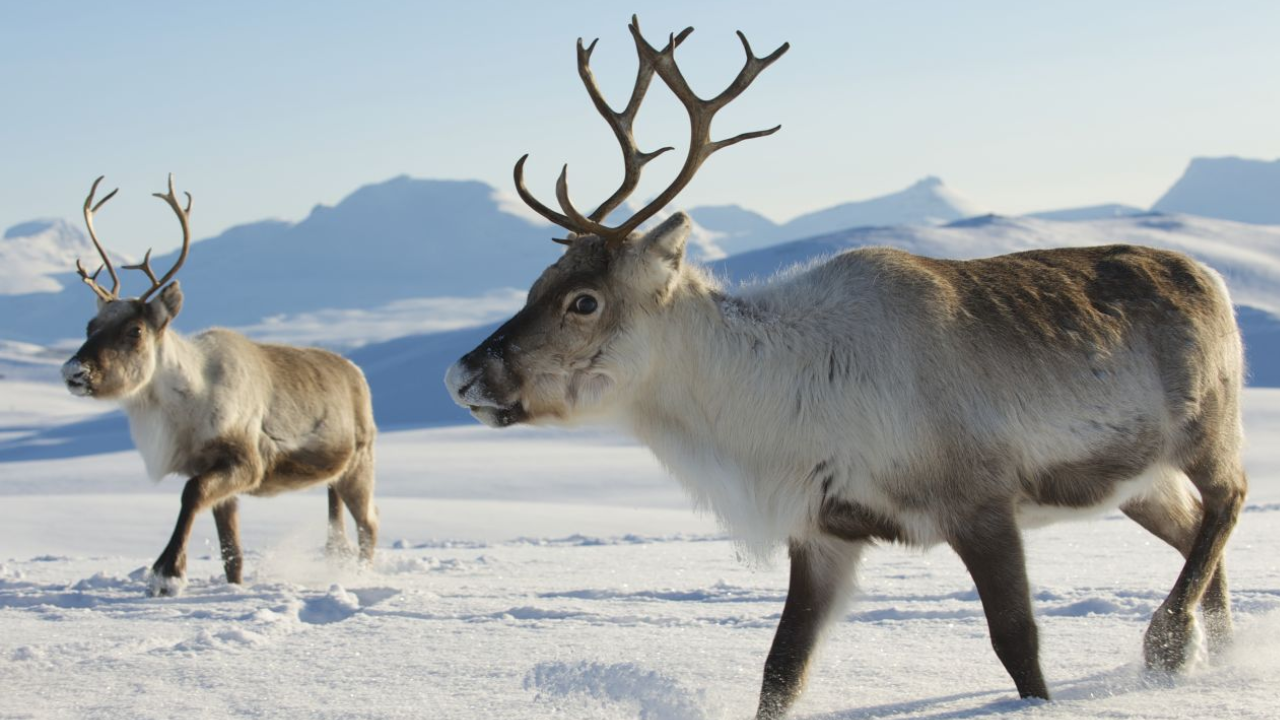
When Norwegian whalers released just ten reindeer on the remote island of South Georgia in 1911, they could scarcely have anticipated the ecological disaster that would unfold across the following decades. The animals, introduced as a convenient food source and to enable hunting expeditions, found an environment perfectly suited to unchecked population growth, with no natural predators to keep their numbers in check.
Without such natural constraints, the reindeer population exploded exponentially, eventually reaching thousands of animals that ravaged South Georgia's delicate coastal ecosystems. The creatures stripped vegetation, trampled native habitats, and devastated breeding grounds critical to the island's seabird populations and endemic plant species that had evolved in isolation for millennia.
Recognizing the environmental damage, authorities ultimately launched an ambitious eradication initiative to reverse the harm. The comprehensive culling programme successfully removed nearly 7,000 reindeer from South Georgia, fundamentally altering the trajectory of the island's environmental recovery.
With the invasive herbivores gone, South Georgia's battered landscapes have begun a remarkable renaissance. Native flora is returning, and seabird populations—once decimated by habitat loss—are showing signs of recovery. The restoration effort stands as a testament to the complex consequences of introducing non-native species into isolated ecosystems and the possibilities for ecological rehabilitation when intervention is undertaken at scale.