World · India Bureau
Century-old river engineering project in US set for reversal to combat flooding
Authorities in Tennessee have begun restoring a river that was artificially straightened over a century ago, undoing an engineering project that inadvertently worsened flooding and environmental degradation. The restoration effort aims to reconnect waterways with natural floodplains and reduce disaster risks.
LSN India ·
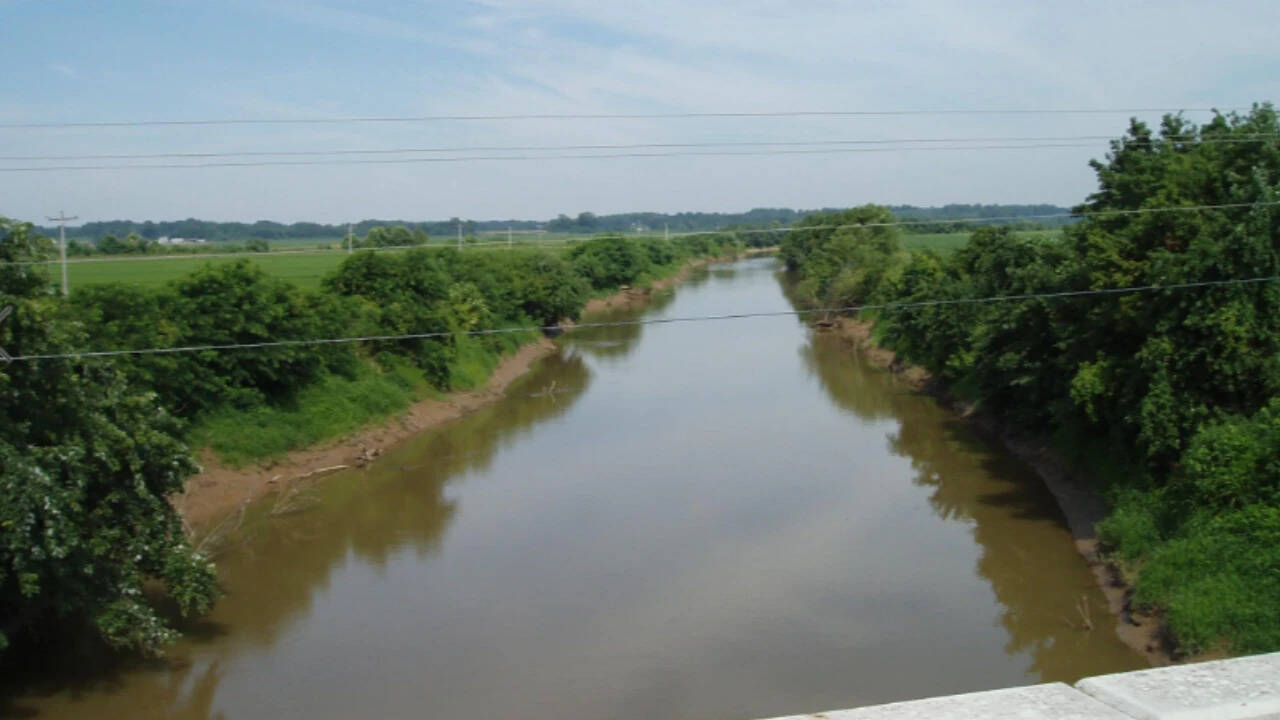
Environmental authorities in Tennessee, United States, have acquired nearly 1,000 acres of land along the South Fork of the Forked Deer River to implement a major restoration project aimed at reversing a century of environmental damage. The river was straightened in 1916 as part of land-drainage initiatives, but the intervention significantly altered water flow patterns and contributed to periodic flash floods and severe bank erosion in the region.
The restoration initiative seeks to restore the river's natural meandering course and reconnect it with its historical floodplain. By allowing water to spread across a wider area during high-flow periods, the project is expected to reduce flood intensity and minimize downstream damage. Natural floodplains serve as crucial buffers that absorb excess water during heavy rainfall events, a principle increasingly recognised in flood management strategies worldwide.
Beyond flood mitigation, the restoration project is designed to rehabilitate natural habitats that have deteriorated over the decades. The initiative reflects a broader shift in water management philosophy, moving away from rigid engineering solutions toward ecosystem-based approaches that work with natural systems rather than against them. Upon completion, the restored area is planned to be opened to the public for recreational and educational purposes.
The project underscores how historical land-use decisions, made with limited understanding of long-term environmental consequences, often require costly intervention to rectify. Similar restoration efforts are underway in multiple regions globally as communities seek to balance development needs with environmental sustainability and disaster risk reduction.