World · India Bureau
CEO impersonation fraud: How executives fall victim to scams
Business leaders across South Asia face growing threats from sophisticated impersonation schemes where fraudsters pose as senior management to authorize fraudulent transactions. Security experts warn companies must strengthen verification protocols to combat increasingly convincing social engineering attacks.
LSN India ·
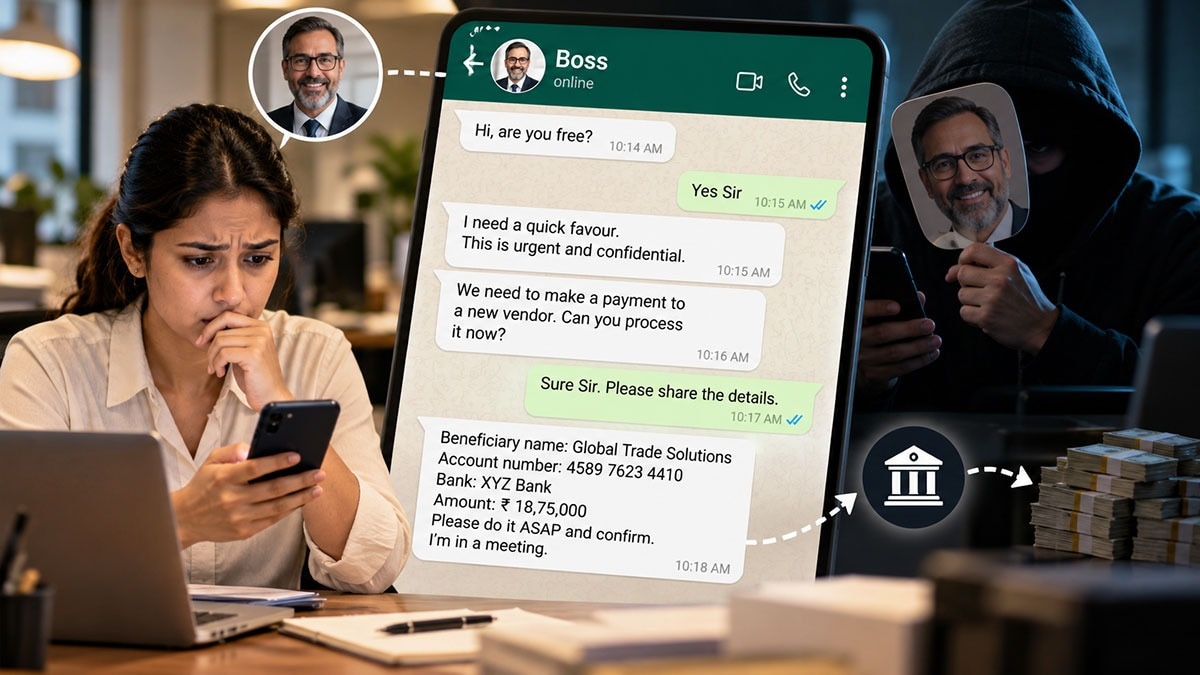
Fraudsters are exploiting the trust placed in senior executives by impersonating company leadership to authorize unauthorized fund transfers and secure sensitive information. These schemes typically involve criminals gathering publicly available information about executives—including email addresses, communication styles, and organizational hierarchies—to craft convincing messages that bypass standard verification procedures.
The scams often target finance departments and senior staff with authorization capabilities. Fraudsters may use spoofed email addresses or compromised communication channels to request urgent wire transfers, claiming time-sensitive business matters or confidential acquisitions. The sophisticated nature of such attacks means they frequently succeed before discovery, sometimes resulting in substantial financial losses.
Security analysts point to several vulnerabilities enabling these schemes. Many organizations rely heavily on email as a primary communication channel without implementing multi-factor authentication for high-value transactions. Additionally, pressure tactics and appeals to secrecy create urgency that bypasses normal scrutiny protocols.
Companies are increasingly implementing verification procedures including callback protocols using verified contact numbers, multi-step authorization requirements for large transactions, and employee training on social engineering tactics. Industry experts recommend establishing clear communication procedures for unusual requests and maintaining updated contact information databases that distinguish personal and official channels.
The rising prevalence of these scams underscores the importance of organizational-wide cybersecurity awareness and robust financial controls, particularly as remote work increases reliance on digital communication channels across the region.