Culture & Entertainment · Bangladesh Bureau
Chalan Beel's forgotten legacy as ancient maritime trading centre emerges
Archaeological findings suggest that Chalan Beel, one of South Asia's largest wetlands, once served as a thriving commercial hub connecting distant trade routes. The discovery offers fresh insights into the region's historical significance and economic networks.
LSN Bangladesh ·
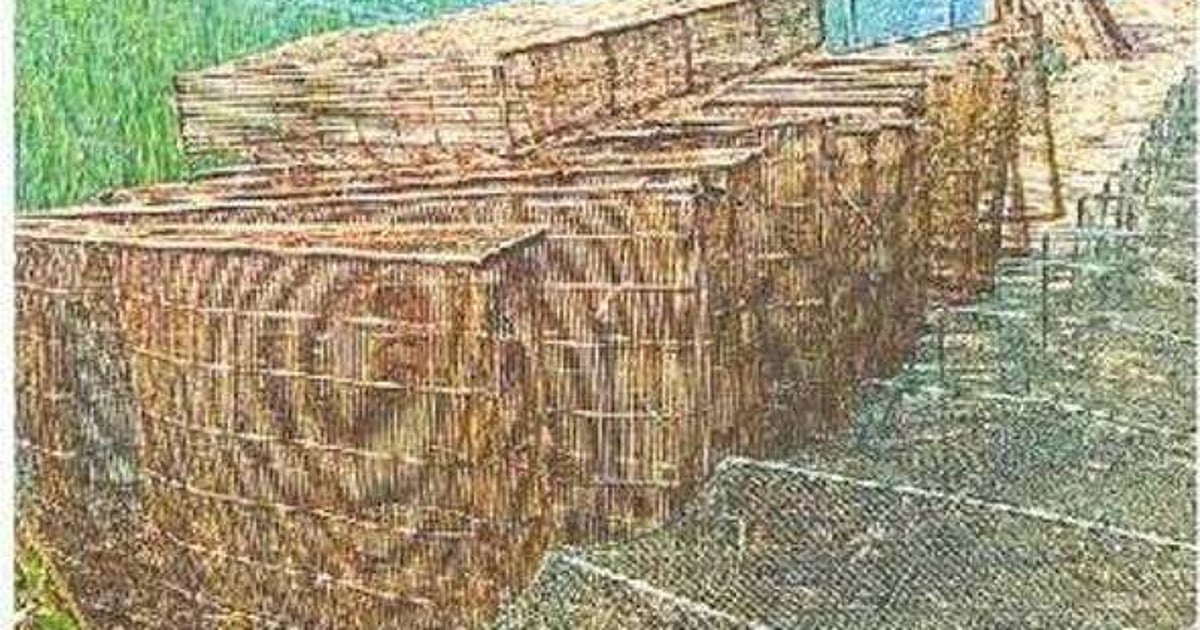
Chalan Beel, spanning parts of northwestern Bangladesh, appears to have functioned as a major trading post during ancient times, according to emerging historical and archaeological evidence. The vast wetland system, which stretches across Natore, Naogaon, and Rajshahi districts, sits at a strategic location that would have facilitated commerce between interior regions and external markets along maritime routes.
Historians suggest that the water body's natural advantages—its size and connectivity to river systems—made it an ideal location for merchants to congregate, exchange goods, and establish commercial networks. The area's positioning relative to ancient trade corridors indicates it likely served merchants dealing in textiles, agricultural products, and other commodities during medieval and earlier periods.
Recent scholarly attention has focused on uncovering material evidence of this commercial past, including pottery shards, coins, and other artefacts scattered across the region. These findings corroborate oral histories and textual references that suggest significant human settlement and economic activity in the area during earlier centuries.
Today, Chalan Beel remains economically important, supporting fishing communities and agriculture. However, the wetland faces environmental pressures from pollution, encroachment, and water management challenges. Recognizing its historical importance could inform conservation efforts and help balance preservation of both the ecosystem and cultural heritage.
Scholar and heritage advocates in Bangladesh have called for systematic archaeological surveys and documentation of the region's historical significance, emphasizing that understanding Chalan Beel's past could enhance appreciation for its contemporary ecological and social value.