Politics · Malaysia Bureau
Challenging Najib pardon could constitute 'derhaka', says Zahid
Umno president Zahid Hamidi has warned that public protests against the conditional pardon granted to former Prime Minister Najib Razak may amount to sedition under constitutional law. The statement comes as cabinet-level divisions emerge over the controversial decision.
LSN Malaysia ·
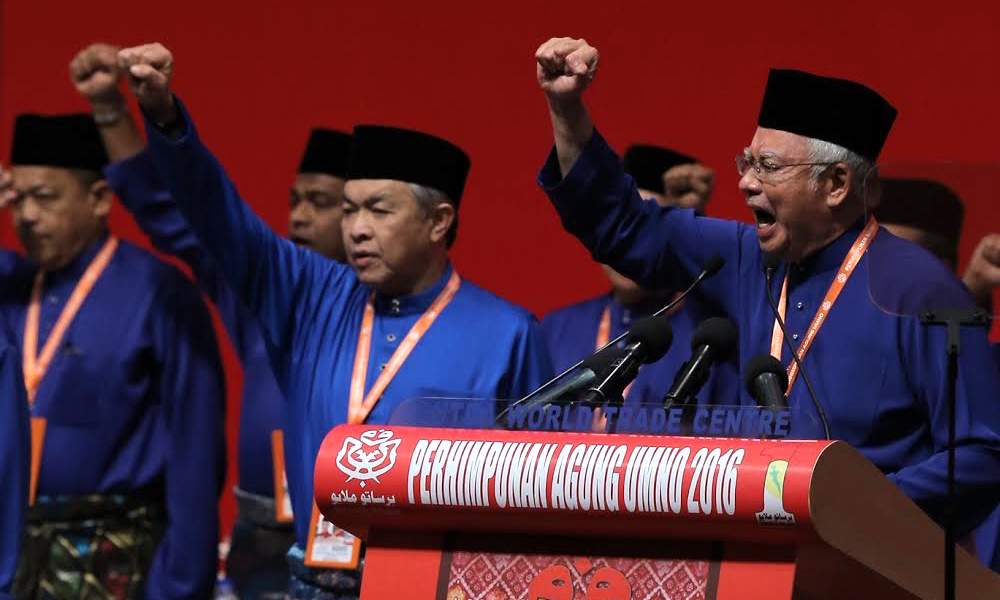
Umno president Zahid Hamidi has cautioned that challenging the conditional pardon extended to Najib Razak could potentially be construed as 'derhaka' — an offence under Malaysian constitutional law relating to disrespect toward constitutional authorities. Zahid's remarks invoke the constitutional prerogatives of Malaysia's head of state in granting pardons, signalling that legal constraints may apply to public criticism of the decision.
The warning underscores deepening fault lines within the cabinet following the pardon announcement. Several ministerial-level figures have publicly distanced themselves from the outcome, with some expressing concern about its implications for public confidence in judicial processes and the rule of law.
The conditional pardon, which reduced Najib's sentence while maintaining his conviction in a high-profile corruption case, has triggered substantial public and political backlash. Zahid's invocation of constitutional protections appears designed to establish legal boundaries around permissible dissent, though the precise scope of what constitutes actionable 'derhaka' remains subject to judicial interpretation.
The controversy reflects broader tensions within the ruling coalition regarding how to address Najib's legal status, balancing party political considerations against institutional and public accountability concerns.