Business · India Bureau
Chance Discovery of Dead Sea Scrolls Transforms Biblical Scholarship
A Bedouin shepherd's accidental find in 1947 unearthed one of archaeology's most significant discoveries—ancient manuscripts that fundamentally altered our understanding of early Jewish history and religious practice. The Dead Sea Scrolls continue to yield insights decades after their discovery.
LSN India ·
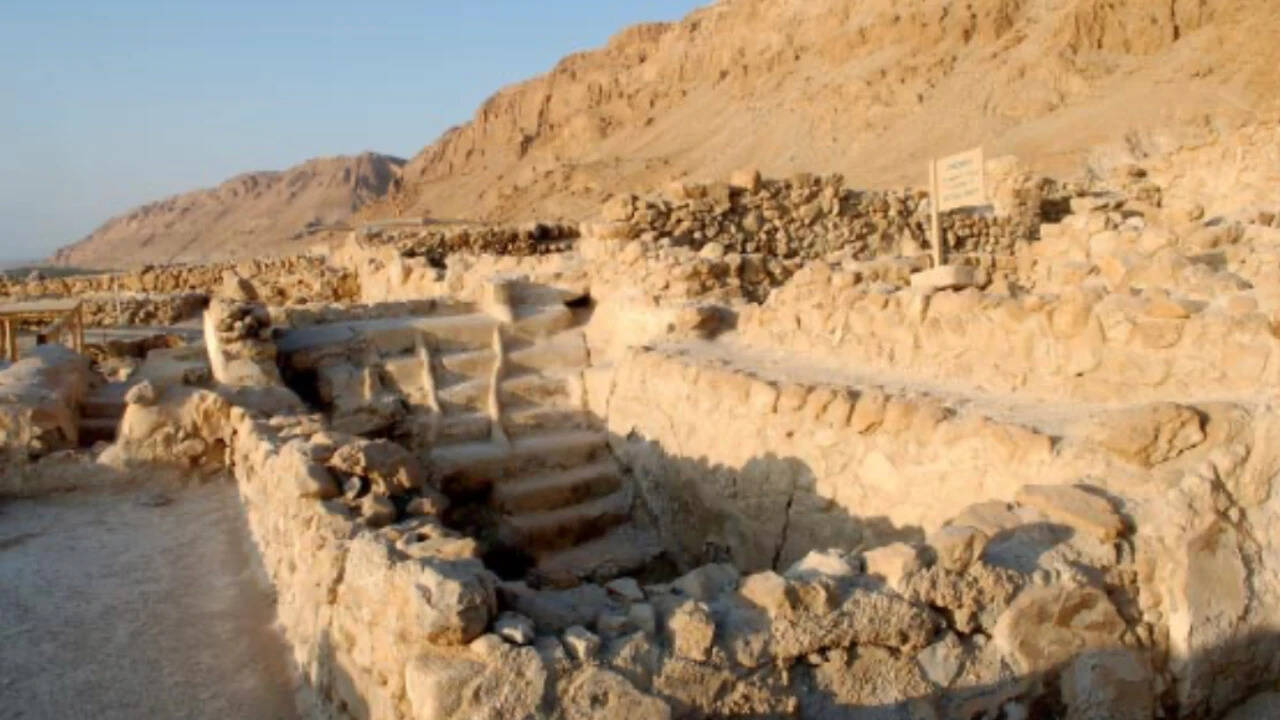
The Dead Sea Scrolls emerged from obscurity in 1947 when a young Bedouin herder, searching for stray livestock near the Dead Sea, cast a stone into a hillside cave. The stone's impact revealed pottery jars containing dozens of ancient manuscripts—a trove that would captivate scholars and reshape Biblical studies for generations to come.
The scrolls, comprising numerous parchment and papyrus documents, date to the Second Temple period and represent one of the oldest known collections of Hebrew religious texts. Among the discoveries were biblical manuscripts, apocryphal writings, and community rules that provided unprecedented glimpses into Jewish theological thought and communal practices during this pivotal era.
Archaeologists and historians have since devoted considerable effort to recovering, preserving, and interpreting the fragmented scrolls. The documents reveal a complex landscape of Jewish belief systems, demonstrating greater theological diversity within ancient Judaism than previously documented. Some fragments remain partially legible, continuing to present challenges and opportunities for scholarly investigation.
The significance of the Dead Sea Scrolls extends beyond religious scholarship, offering invaluable information about the social, cultural, and political contexts of early Jewish communities. As researchers continue to analyze and reconstruct portions of the manuscripts, each newly deciphered passage contributes further understanding of this transformative period in history.