Politics · Sri Lanka Bureau
Chemmani excavation shows formal burial patterns, not clandestine grave
An archaeologist leading excavations at the alleged Chemmani mass grave site has submitted findings to Jaffna court indicating the location exhibits characteristics of formal burial practices rather than clandestine interment.
LSN Sri Lanka ·
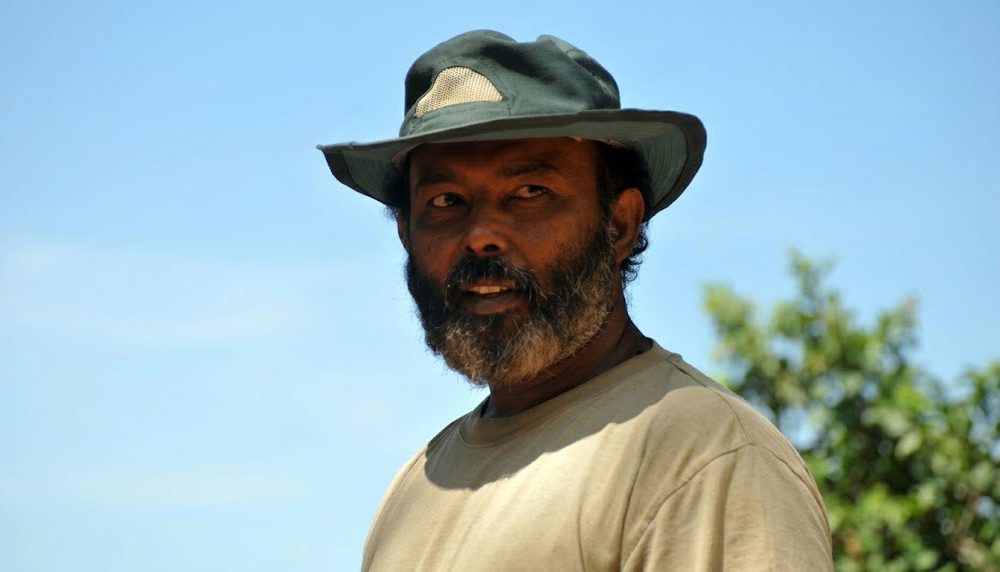
The lead archaeologist conducting forensic excavations at Chemmani in Jaffna has challenged claims that the site represents a clandestine mass grave, according to an interim report submitted to Jaffna Magistrate Court on 19 October. The archaeological assessment, titled "Forensic Archaeological Excavation in Chemmani, Jaffna (2025/2026)," indicates that physical evidence from the site is more consistent with formal, organized burial practices than with unlawful or covert interment methods.
The submission to the magistrate's court marks a significant development in ongoing investigations into the Chemmani site, which has been the subject of considerable scrutiny and public interest. The interim findings suggest that the excavation has uncovered burial patterns and arrangements that differ substantially from those typically associated with mass graves or clandestine burial sites.
The forensic archaeological analysis examined physical evidence, spatial organization, and burial arrangements at the excavation site. The report's conclusions indicate that the evidence supports interpretations of formal mortuary practices rather than hasty or concealed burial methods.
The submission to Jaffna Magistrate Court represents an important step in the formal investigation process, with the archaeological findings now part of the official court record. The interim report may influence further investigative directions and public understanding of the site's historical context and significance.