World · India Bureau
Chennai marks Madras Day with visual chronicle of urban transformation
As Chennai celebrates its founding, archival photographs reveal how the coastal metropolis has evolved over decades. The city's landscape reflects India's broader journey of modernization and urban development.
LSN India ·
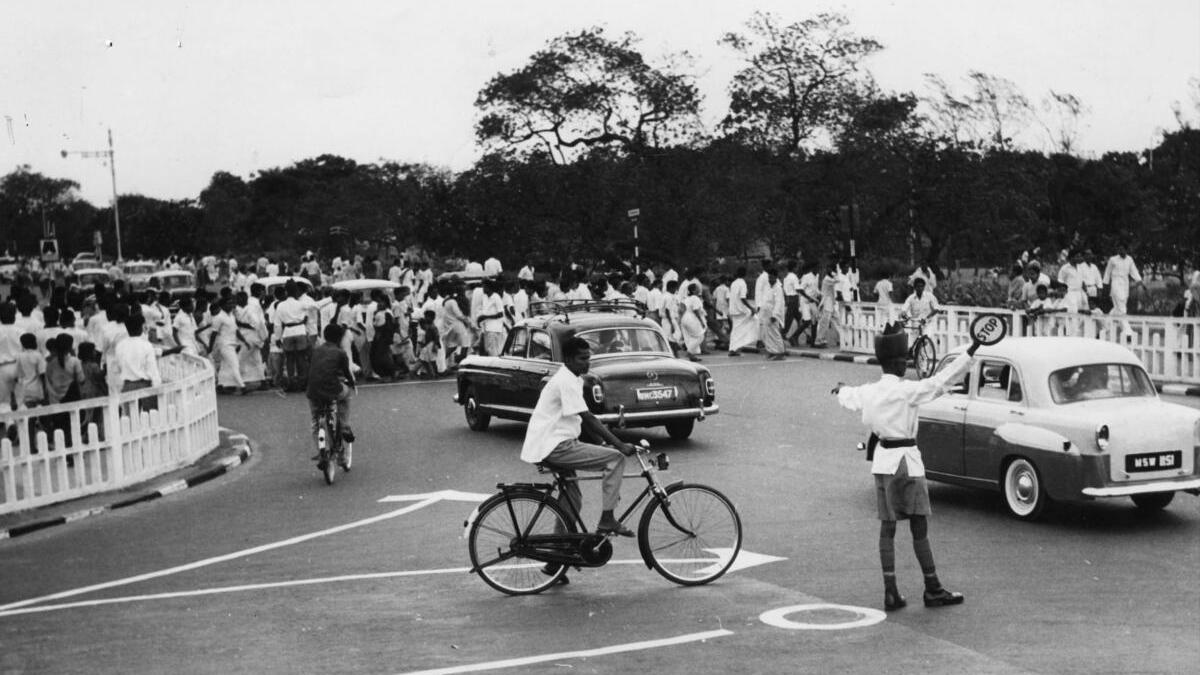
Chennai, formerly known as Madras, commemorates its establishment each year on December 22, marking the arrival of the British East India Company in 1639. The occasion provides an opportunity to examine the city's remarkable transformation from a colonial trading post into a major metropolitan centre.
Photographic records spanning generations document the city's physical and social metamorphosis. Early images capture the colonial architecture, tree-lined avenues, and relatively sparse urban landscape of bygone eras. Contrasting contemporary photographs reveal high-rise buildings, expanded road networks, and the bustling activity characteristic of modern metropolitan life.
The evolution of Chennai reflects broader patterns seen across Indian cities—rapid urbanization, infrastructure expansion, and changing residential and commercial patterns. Key landmarks have been preserved while new development has reshaped the skyline. The city's port remains significant to its identity, though its role has transformed with globalization and industrialization.
Beyond physical infrastructure, the city's demographic composition and economic base have shifted considerably. From a predominantly colonial administrative centre, Chennai has become a hub for manufacturing, information technology, and automotive industries. Educational institutions and cultural establishments have expanded, contributing to the city's growing cosmopolitan character.
Madras Day celebrations serve as a reminder of Chennai's historical significance within India's urban narrative, offering residents and observers alike a moment to reflect on the city's passage through time and its place in the nation's development story.