World · India Bureau
Chennai's buses emerge as city's transport backbone after tram era ends
More than seven decades after replacing the city's tram network, buses have become the primary mode of public transport for millions of Chennai residents. The Metropolitan Transport Corporation's fleet, despite showing signs of wear and strain from heavy use, continues to serve as a critical lifeline for the city's commuters.
LSN India ·
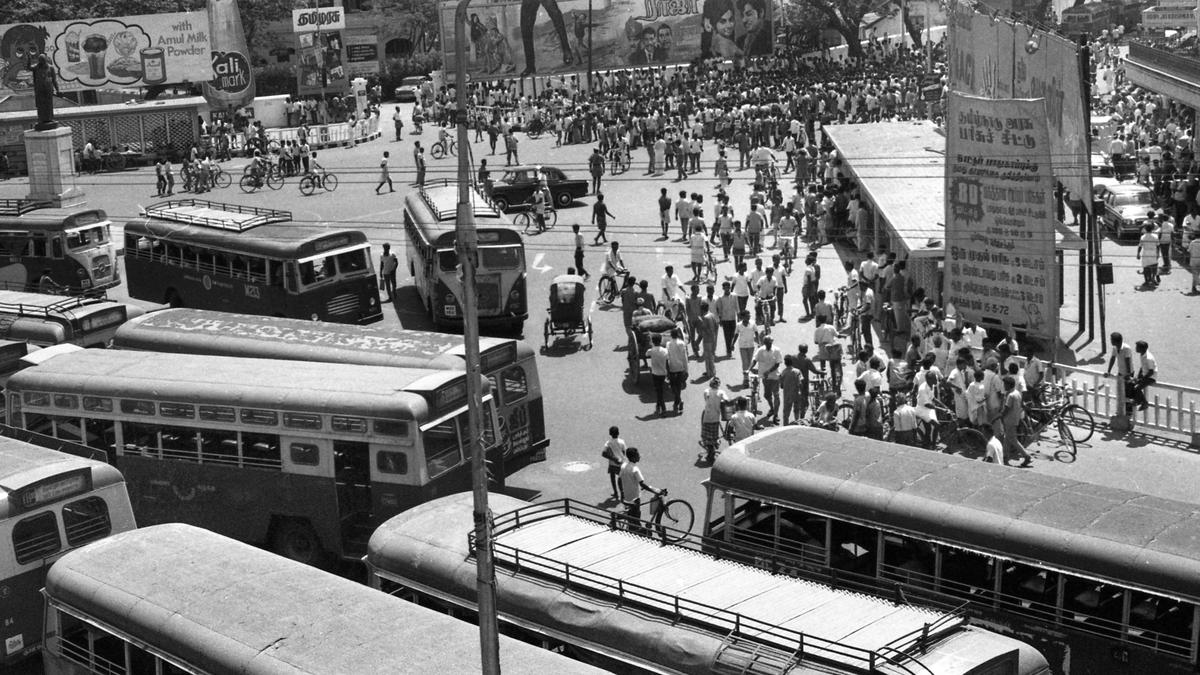
While buses first appeared on Chennai's roads during the 1920s, their significance as a mass transit system remained limited until the decline of the city's tram service in 1953. The closure of the tram network marked a turning point, establishing buses as the dominant form of public transportation across the metropolis.
Today, the MTC's buses operate under considerable pressure, ferrying passengers across the sprawling city despite chronic overcrowding and the visible deterioration of many vehicles. The buses, often packed beyond comfortable capacity and bearing the scars of intensive daily use, have nonetheless proven resilient in meeting transportation demands across Chennai's growing urban landscape.
The shift from tramways to buses reflected broader changes in urban mobility patterns across Indian cities during the mid-twentieth century. For Chennai, this transition proved decisive in shaping the city's public transport infrastructure for generations to come.
The iconic buses remain embedded in the city's identity and daily rhythm, connecting peripheral neighbourhoods to commercial hubs and serving populations across all income levels. Despite infrastructure challenges and maintenance concerns, the MTC fleet continues to underpin the city's connectivity, demonstrating the enduring reliance of millions on this essential service.