World · India Bureau
Chennai's evolving rail networks mark shift in urban transport
From its pioneering steam railways to modern metro systems, Chennai has transformed its public transport infrastructure over 165 years. The city's latest Metro Rail project represents another ambitious attempt to address congestion and mobility challenges.
LSN India ·
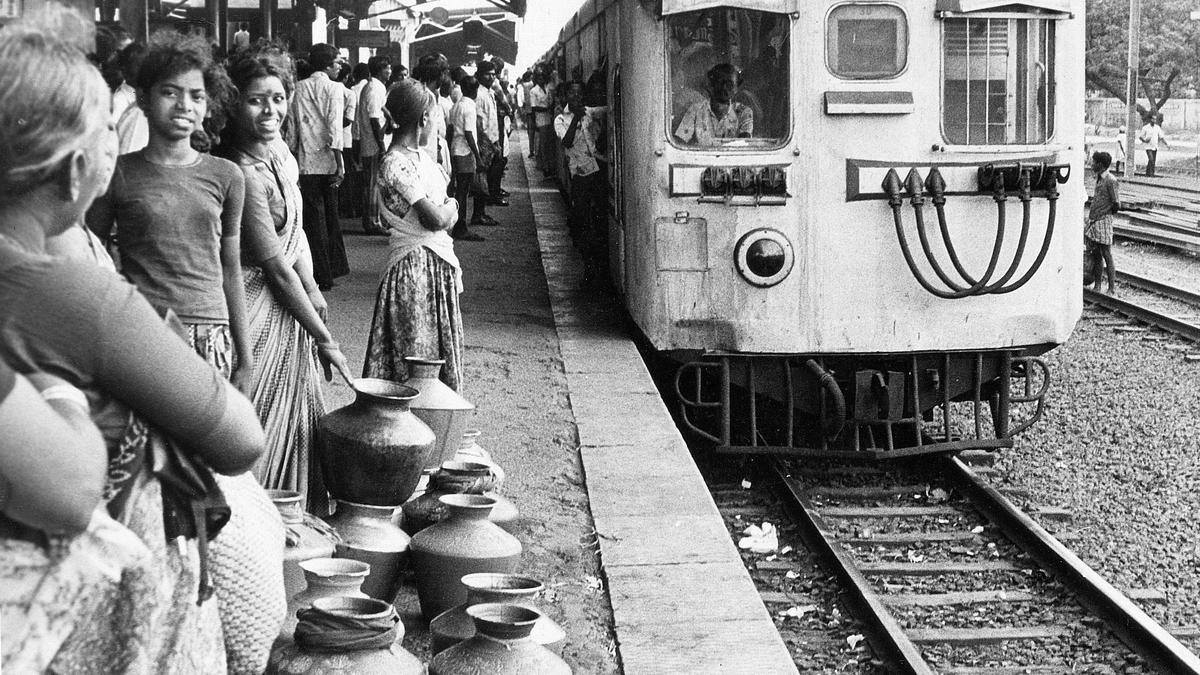
Chennai holds a distinctive place in India's railway history as the country's first city to introduce train services. The Royapuram terminus, established in 1856, marked the beginning of rail transport on the subcontinent, connecting the port city to Walajah Road. This pioneering infrastructure laid the groundwork for what would become one of India's earliest rail networks.
The suburban rail network expanded considerably during the early twentieth century, though growth remained uneven compared to rival metros. While Mumbai's suburban system flourished into one of the world's busiest commuter networks, Chennai's rail infrastructure developed at a more measured pace, never achieving comparable scale or density. The city's rail landscape remained fragmented, with multiple systems operating independently rather than as an integrated network.
The Mass Rapid Transit System, introduced in subsequent decades, was intended to modernize Chennai's public transport. However, the MRTS failed to realise its full operational and expansion potential, leaving commuters dependent on a patchwork of services. This shortfall prompted city planners to pursue more ambitious solutions.
Metro Rail Chennai now represents the municipality's latest major push to overhaul urban mobility. The project aims to address decades of underinvestment in mass transit and provide residents with modern, efficient commuter services. As India's transport networks continue evolving, Chennai's metro development underscores the ongoing efforts to enhance connectivity in major metropolitan areas across the country.