World · India Bureau
Chennai's Ice House reveals colonial legacy of labour exploitation
A historic ice trading post in Chennai stands as a monument to British commercial enterprise, but historians say its glossy facade masks a troubling history of worker suffering and famine-era exploitation.
LSN India ·
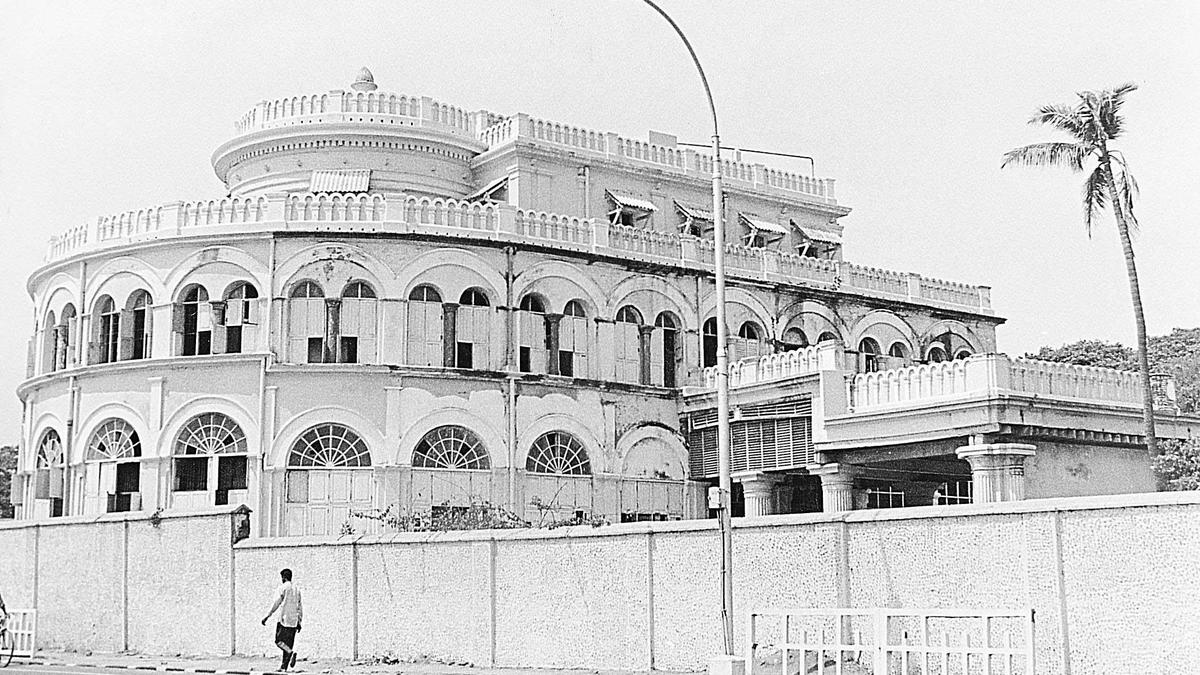
The Ice House, a landmark structure in Chennai's cityscape, has long served as a tourist attraction and cultural reference point. Built during the British colonial period, the facility represented a significant commercial enterprise that supplied frozen ice to the colonial elite and merchant classes across southern India. Today, it remains a popular destination and nostalgic reminder of a bygone era of imperial trade.
Beneath the veneer of commercial innovation and colonial sophistication, however, lay a darker narrative of human cost. Historical records and archival evidence suggest the ice trade operated against a backdrop of severe labour exploitation, with workers subjected to harsh conditions and meagre compensation. The enterprise flourished even as the surrounding region experienced devastating famines that claimed thousands of lives.
The contrast between the luxury commodity being traded and the suffering endured by both workers and the broader population represents a microcosm of colonial economic practices. While ice became a symbol of wealth and privilege for the colonial administration and affluent residents, ordinary Indians faced food scarcity and economic hardship.
Historians have increasingly scrutinized such colonial-era institutions, moving beyond celebratory narratives to examine the human and social consequences of imperial commerce. The Ice House now serves as a case study in understanding how colonial enterprises functioned within deeply unequal systems of labour and resource distribution that prioritized profit over human welfare.