World · India Bureau
Chennai's linguistic evolution reflects India's multicultural identity
The Tamil Nadu capital has long demonstrated a remarkable capacity to absorb and integrate words from diverse languages, reflecting its cosmopolitan character and historical role as a major trading and cultural hub.
LSN India ·
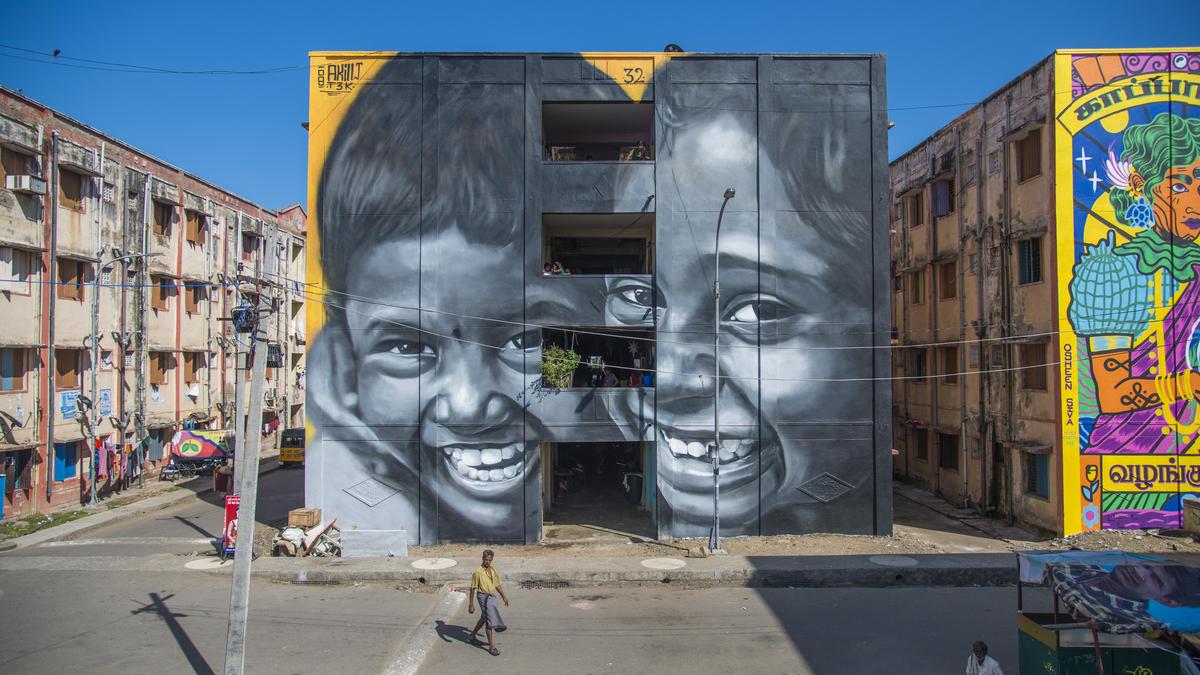
Chennai, formerly known as Madras, stands as a testament to India's linguistic pluralism, with its vocabulary expanding across centuries to incorporate terms from Sanskrit, Persian, Arabic, Portuguese, Dutch, and English. The city's linguistic openness mirrors its history as a major commercial and administrative center, where traders, administrators, and settlers from various regions and nations have left their linguistic imprint on the local vernacular.
The Tamil language spoken in Chennai has particularly benefited from this cultural cross-pollination. While Tamil has maintained its classical structure and literary traditions, the everyday speech of the city's residents seamlessly weaves in loanwords that have become so naturalized that many speakers no longer perceive them as foreign. Terms relating to governance, trade, cuisine, and daily life have been absorbed into common usage, creating a dynamic linguistic ecosystem.
This phenomenon extends beyond Tamil to the city's broader multilingual landscape. Chennai residents routinely code-switch between Tamil, English, Telugu, Kannada, Hindi, and Urdu, depending on context and audience. Such linguistic flexibility has become emblematic of urban South India, where education, commerce, and migration patterns have fostered multilingualism as a practical necessity and cultural norm.
Language scholars point to Chennai's openness as reflecting a deeper historical pattern. Unlike cities that have attempted linguistic homogenization, Chennai has allowed its language to remain porous and adaptive. This approach has enabled Tamil to thrive as a living, evolving language rather than a static artifact, ensuring its continued relevance and vitality in an increasingly interconnected world. The city's linguistic hospitality thus offers insights into how regional languages can coexist and flourish alongside national and international languages.