World · India Bureau
Chennai's Maritime Heritage Shaped City's Rise as Global Port
The coastline that transformed Chennai into a major commercial hub reveals the city's deep historical connection to maritime trade and colonial legacy. Scholars and historians trace the metropolis's development to its strategic position on the Bay of Bengal.
LSN India ·
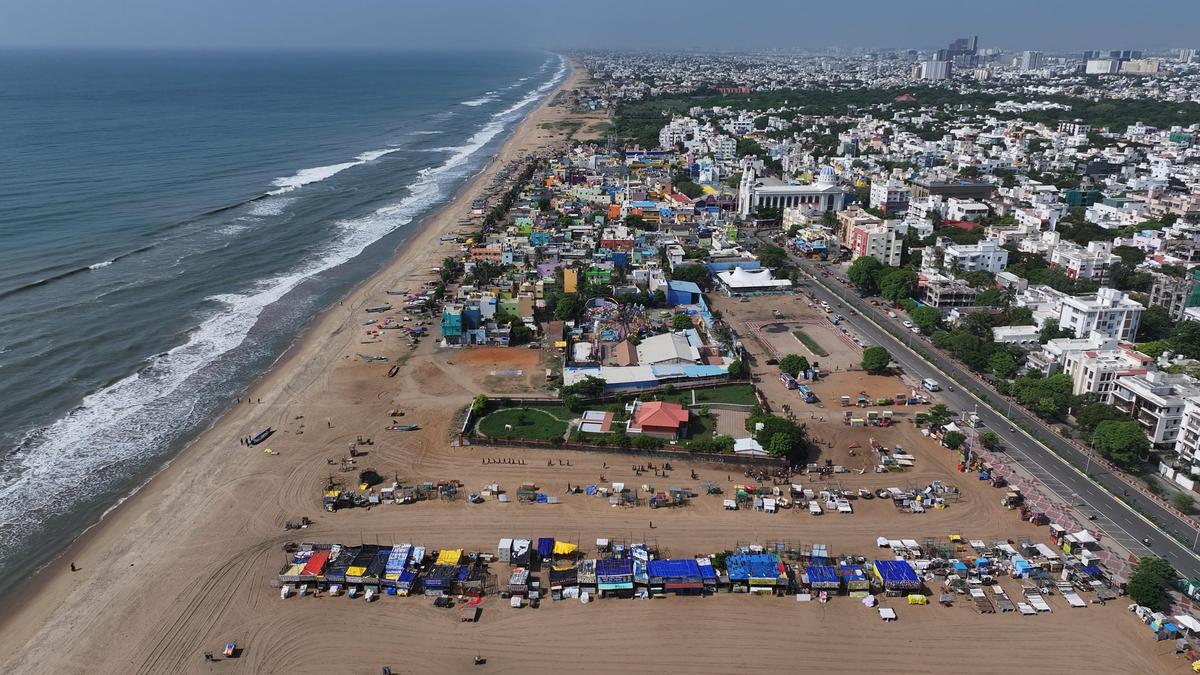
Chennai's emergence as one of South Asia's most significant urban centres is intrinsically linked to its coastal geography and maritime significance. The city's growth from a modest fishing settlement to a thriving metropolis reflects centuries of engagement with oceanic commerce and strategic positioning along major shipping routes.
The beaches and harbour areas that define modern Chennai served as critical junctures for trade networks spanning the Indian Ocean. European colonial powers, recognizing the commercial potential of the coastline, established fortified settlements that would eventually catalyze urban expansion and economic development. The Port of Chennai evolved into a major commercial gateway, facilitating the movement of goods, resources, and cultural exchange across regions.
Historians emphasize that the city's architectural and cultural fabric bears the imprint of its maritime past. From colonial-era structures to contemporary port infrastructure, the coastal landscape continues to shape Chennai's identity and economic orientation. The integration of port activities with urban development patterns has created a distinctive urban character that distinguishes the city within India's metropolitan landscape.
Today, Chennai's position as an industrial and commercial hub remains anchored in its geographic advantages and historical legacy as a maritime centre. The city's continued development reflects ongoing negotiations between preserving heritage sites and modernizing port infrastructure to meet contemporary economic demands.