World · India Bureau
Chennai's multi-modal transit network shapes city's modern development
As one of India's pioneers in public transportation, Chennai has evolved from operating early rail and tram services to managing a comprehensive multi-modal transit ecosystem. Today's residents benefit from suburban railways, bus networks, rapid transit systems and metro rail infrastructure.
LSN India ·
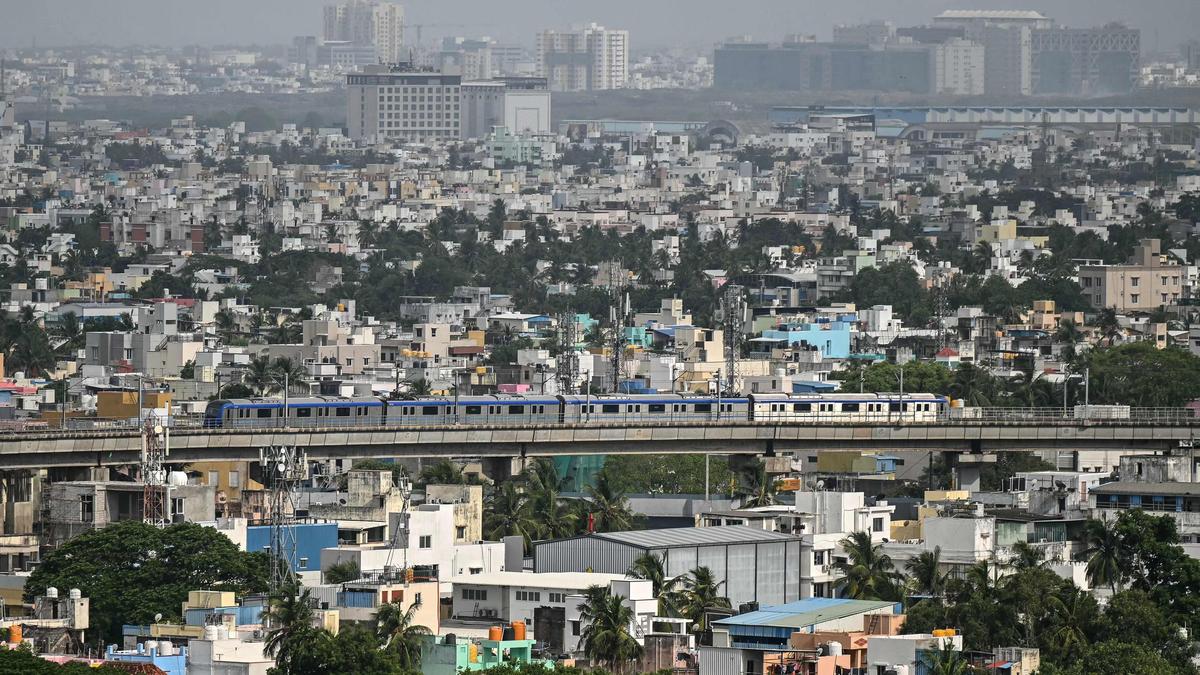
Chennai's relationship with public transportation extends back more than a century, establishing the city as an innovator in mobility solutions across the Indian subcontinent. The metropolis operated some of the country's earliest train and tramcar services, laying groundwork for what would become a defining feature of its urban landscape.
The transition to state-controlled public transport came with India's independence in 1947, marking a pivotal shift in how the city managed mobility for its growing population. This nationalization reflected broader priorities to ensure equitable access to transportation across income levels, a principle that continues to guide planning decisions today.
Contemporary Chennai residents now navigate the city using a diversified transport network comprising multiple operators and systems. Suburban rail services connect peripheral areas to the urban core, while the Metropolitan Transport Corporation (MTC) operates extensive bus routes. The Mass Rapid Transit System (MRTS) and Chennai Metro Rail provide faster alternatives for commuters, offering varying speeds and coverage patterns that complement traditional services.
This layered approach to public transit has become integral to Chennai's continued development strategy. Urban planners credit the availability of multiple transport options with enabling both residential and commercial growth patterns, while supporting the city's aspirations as a major economic hub in South India. The ongoing integration and expansion of these systems reflects recognition that comprehensive public mobility remains fundamental to sustainable urban development.