World · India Bureau
Chennai's National Theatre: Cinema Pioneer in Western Suburbs
The National Theatre played a pivotal role in bringing cinematic entertainment to Chennai's western suburbs, establishing itself as a cultural landmark in the region. The venue's history reflects the broader evolution of cinema as a mass medium in Tamil Nadu.
LSN India ·
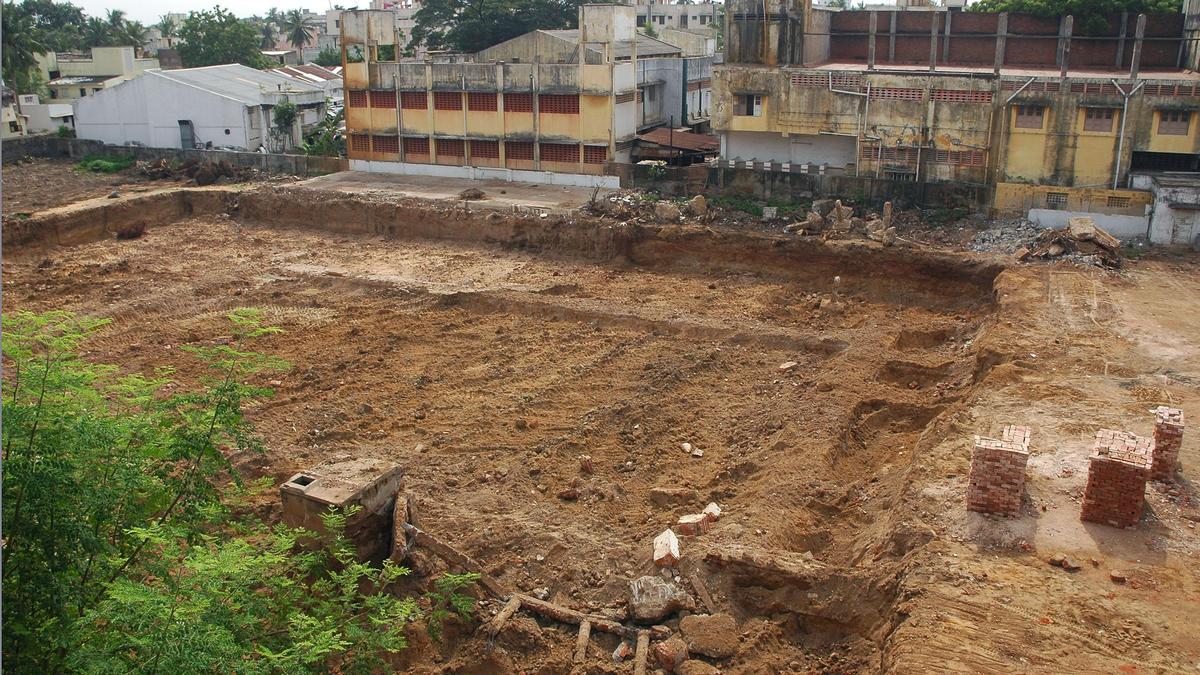
The National Theatre emerged as a transformative entertainment venue in Chennai's western suburbs, introducing cinema to neighbourhoods that had limited access to cultural facilities. During its operational years, the theatre became a significant gathering point for residents seeking entertainment and cultural engagement in an area undergoing rapid urban development.
The theatre's establishment marked a turning point in how cinema reached suburban populations across Chennai. Rather than confining theatrical releases to the city's central commercial districts, the National Theatre democratised access to film screenings for western suburb dwellers. This expansion of cinematic infrastructure reflected the broader post-independence growth of Indian cinema as a accessible entertainment medium.
The venue's role extended beyond mere commercial operations. The National Theatre served as a social space where neighbourhood communities congregated for leisure, transforming suburban areas into cultural consumption zones. This pattern of theatre-centric entertainment became instrumental in shaping social life and leisure practices in Chennai's expanding periphery.
The history of the National Theatre encapsulates the interplay between urbanisation and entertainment infrastructure in mid-twentieth century India. As Chennai expanded beyond its traditional downtown core, cultural facilities like the theatre followed demographic shifts, bringing cinema's allure to previously underserved populations and establishing suburban entertainment as integral to urban living.