World · India Bureau
Chennai's Night Economy Transforms From Early-Closing City to 24-Hour Hub
Chennai has undergone a dramatic transformation over three decades, evolving from a city that shuttered by 9 p.m. into a vibrant round-the-clock urban centre. The shift reflects broader economic and demographic changes that have reshaped the city's nightlife and service sectors.
LSN India ·
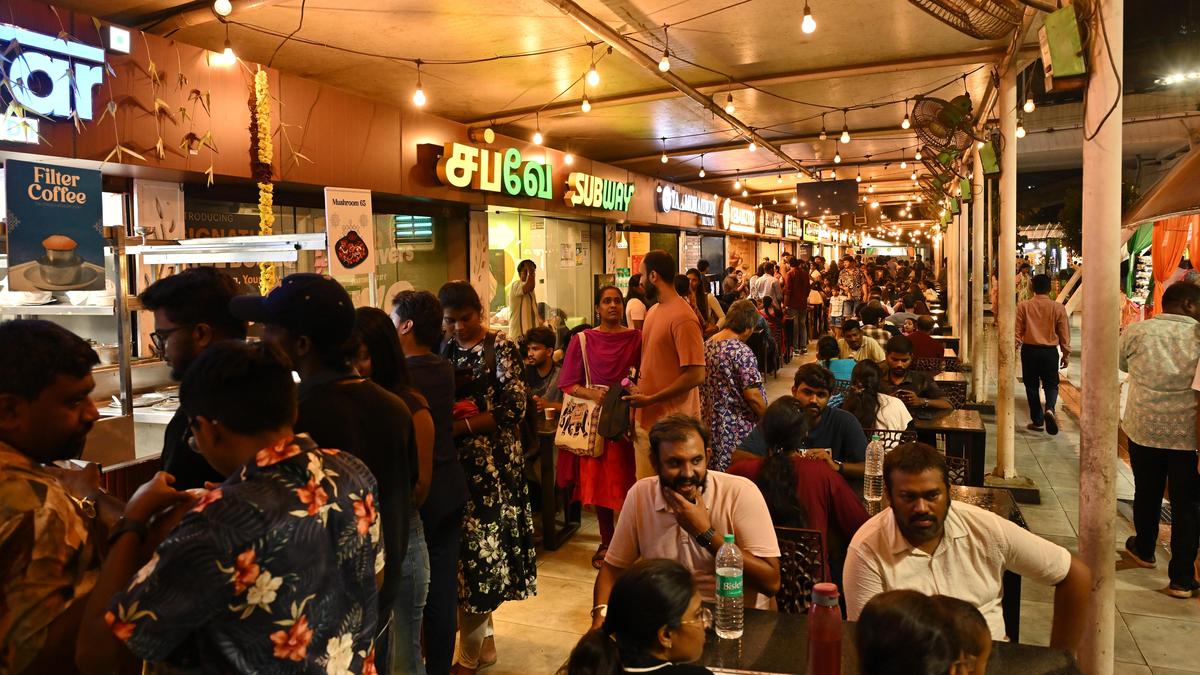
The contrast between old Madras and modern Chennai is nowhere more evident than after sunset. Three decades ago, the city's commercial activity would wind down in early evening, with most establishments closing their shutters by 9 p.m. Today, the same streets pulse with activity well into the early morning hours, with queues forming outside biryani restaurants at 3 a.m. and various venues remaining open throughout the night.
The transformation began in earnest during the 1980s with the emergence of pub culture, marking a significant shift in the city's social landscape. However, the most substantial changes came during the information technology boom of the late 1990s, which brought with it a substantial night-shift workforce to the city. This demographic shift fundamentally altered demand patterns and service provision across multiple sectors.
In response to changing hours and consumer demand, tea shops extended their operating hours to serve late-night and early-morning customers. Restaurants and eateries proliferated across the city, many adapting their schedules to cater to night workers and late-night diners. Sports facilities and gymnasiums similarly extended their hours, enabling residents to exercise at unconventional times.
The evolution reflects Chennai's transition from a traditional commercial hub to a global services centre. The city's night economy now encompasses hospitality, food service, fitness, and entertainment sectors, creating employment opportunities and reshaping urban rhythms. What was once an anomaly—staying awake after midnight—has become routine for significant sections of the city's population.