World · India Bureau
Chennai's Transport Legacy: How City Evolved Through Multiple Mobility Systems
As Chennai marks Madras Day, a retrospective look at the various public transport modes that have shaped the city's urban landscape and connected its residents across generations.
LSN India ·
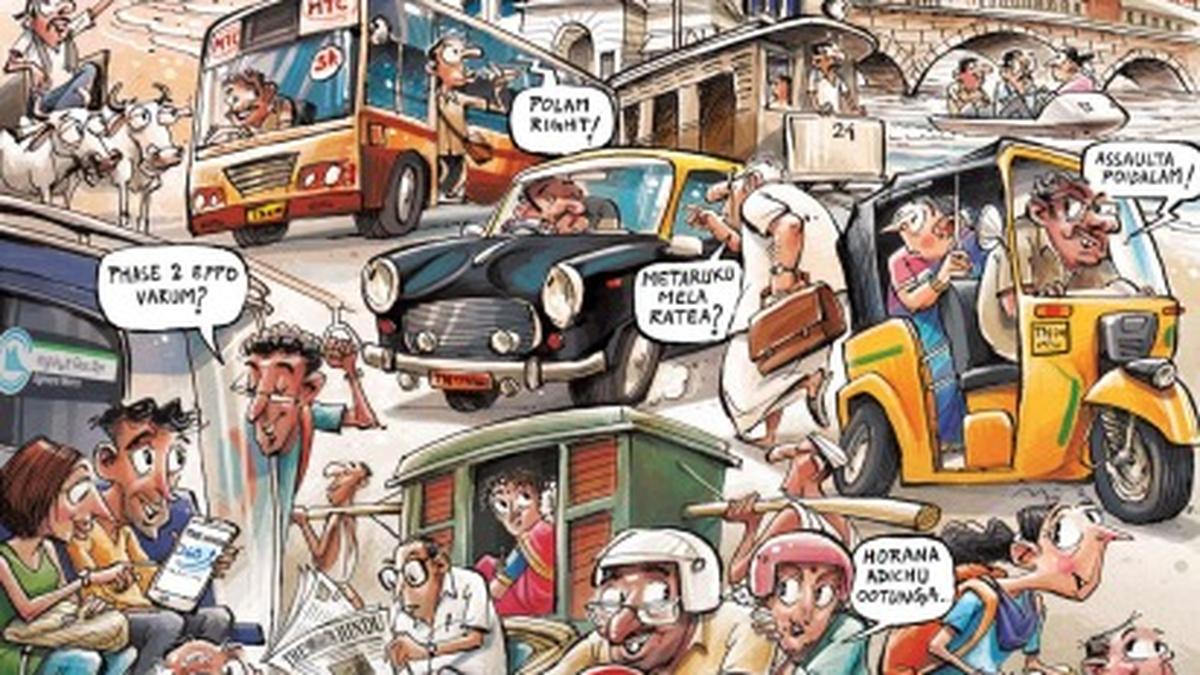
Chennai's history as a major metropolitan centre is intrinsically linked to the evolution of its public transportation systems. From its earliest days as a colonial trading post to its current status as a major metropolitan hub, the city's connectivity infrastructure has been crucial in determining how residents moved around and how the urban landscape developed.
Over the decades, Chennai has relied on multiple modes of transport to facilitate movement across its sprawling geography. Horse-drawn carriages, trams, buses, and trains have each played defining roles in shaping how the city expanded and how different neighbourhoods came to be connected. Each transportation mode reflected the technological capabilities and urban planning philosophies of its era.
The introduction of new transport systems often catalysed urban development, opening up previously isolated areas and spurring residential and commercial growth. The tram network, in particular, became emblematic of the city's modernisation efforts and remains a nostalgic reference point for many residents who recall the city's mid-twentieth century landscape.
Today, Chennai continues to invest in its transportation infrastructure, with modern rapid transit systems complementing the legacy systems still in operation. These historical modes of transport serve not merely as functional systems but as markers of the city's journey through different phases of urban development, each generation of Chennaiites inheriting and adapting the mobility solutions of their predecessors.
The story of Chennai's transport evolution is ultimately a story of how a city has continuously adapted to meet the mobility needs of its growing population while maintaining connections to its historical past.