World · India Bureau
Chennai's waste-to-energy plan draws fire over carbon footprint
A new analysis has challenged the environmental credentials of Chennai's proposed Kodungaiyur waste incinerator, raising questions about whether the facility would deliver promised climate benefits. The study casts doubt on the carbon intensity calculations used to justify the project.
LSN India ·
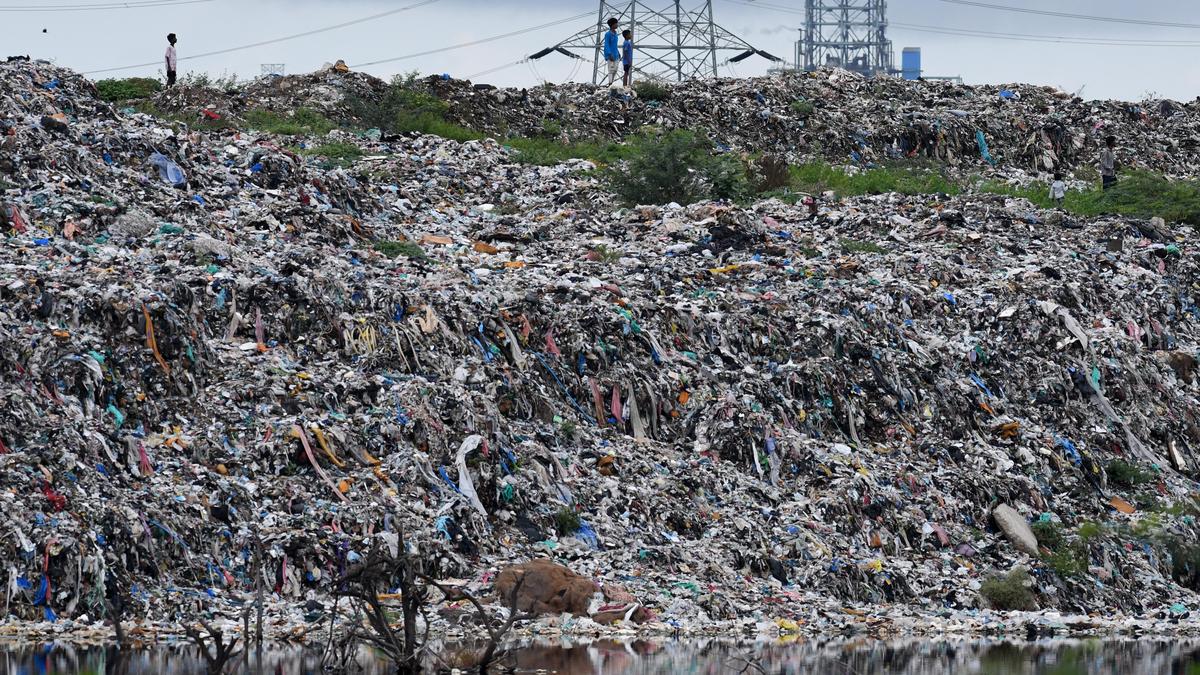
Plans to construct a waste-to-energy incinerator at Kodungaiyur in Chennai are facing renewed scrutiny following the release of research questioning the project's climate credentials. The facility, which would convert municipal waste into electricity, has been positioned by authorities as an environmentally sound waste management solution. However, the latest analysis suggests the carbon benefits may not be as substantial as claimed by project proponents.
The study focuses on the carbon intensity of electricity that would be generated by such waste incineration facilities. Researchers argue that when lifecycle emissions are properly accounted for, the energy produced may not represent a significant improvement over conventional power generation methods. This raises concerns about whether the environmental justification for the facility can withstand scientific scrutiny.
The Kodungaiyur incinerator proposal has long been contentious in Chennai, with residents and environmental groups expressing concerns about air quality and public health impacts. The new climate-related findings add another dimension to the debate, shifting focus from local environmental impacts to broader questions about the project's contribution to India's carbon reduction goals.
The timing of the research is significant as Indian cities grapple with mounting waste management challenges while attempting to meet climate commitments. The Kodungaiyur case underscores the need for comprehensive environmental assessments of waste-to-energy projects before approval, experts say, ensuring that such facilities genuinely serve climate objectives rather than simply managing waste with minimal environmental benefit.