World · India Bureau
Chernobyl's unlikely sanctuary: Przewalski's horses thrive in radioactive zone
Nearly two decades after their introduction to the abandoned Chernobyl exclusion zone, a rare horse species once extinct in the wild has rebounded to over 130 individuals. The Przewalski's horses, brought to Ukraine's radiation-contaminated landscape in 1998, have defied expectations to establish a growing population despite ongoing hazards.
LSN India ·
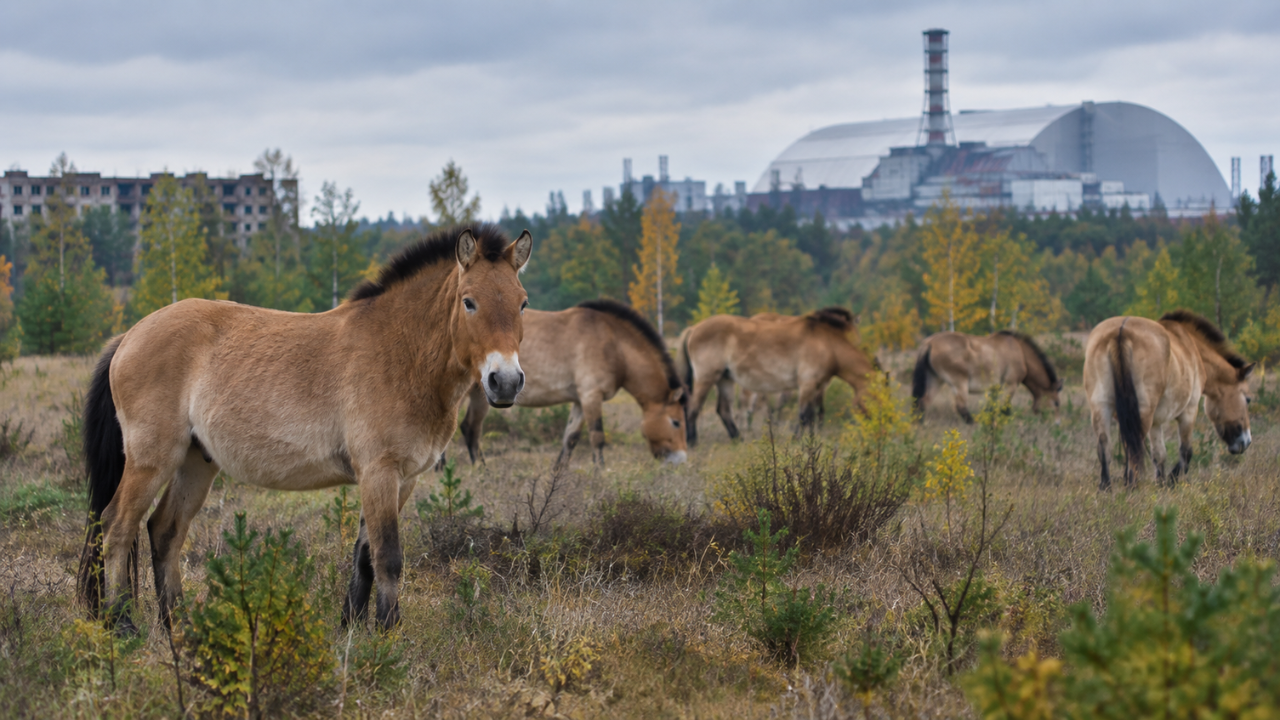
In one of conservation's most unconventional success stories, Przewalski's horses have flourished in the Chernobyl exclusion zone, transforming the radioactive wasteland into an unexpected wildlife sanctuary. Thirty-one horses were initially transported to the abandoned Ukrainian territory in 1998 and 1999, marking the first reintroduction of the species to its native habitat after decades of extinction in the wild.
The population faced significant early challenges, including deaths during transport and systematic poaching. Nevertheless, the herd demonstrated remarkable breeding resilience, steadily expanding its numbers within the cordoned-off zone. By 2018, researchers documented 137 horses within the Ukrainian section of Chernobyl, while additional animals had crossed into the adjacent Belarusian border region, further establishing the species across the broader exclusion zone.
The reintroduction programme highlighted an ironic paradox: while radiation poses long-term environmental concerns, the absence of human activity within the exclusion zone created ideal conditions for wildlife recovery. With hunting prohibited and industrial development halted, Przewalski's horses—which vanish from wild populations by the 1960s—found refuge in one of Earth's most contaminated territories. Scientists continue monitoring the herds to assess both their welfare and the effects of radiation exposure on the species' long-term viability.