World · Bangladesh Bureau
Child Marriage Remains Persistent Challenge Across South Asia
Despite growing legislative efforts and awareness campaigns, child marriages continue to occur at alarming rates across the region. Experts attribute the persistence to poverty, social norms, and weak enforcement of existing laws.
LSN Bangladesh ·
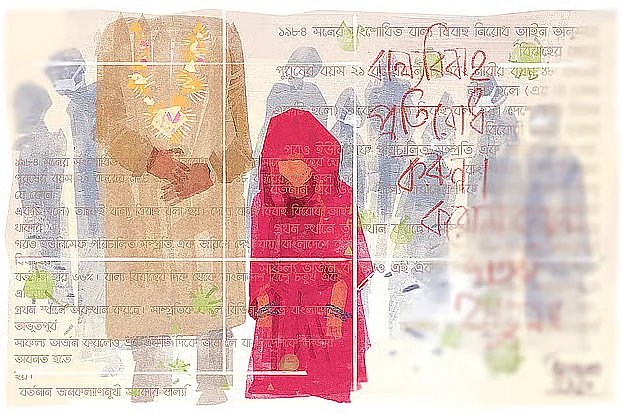
Child marriage remains a entrenched social practice across South and Southeast Asia, even as governments and non-governmental organizations intensify prevention efforts. The practice, which violates international child rights conventions, continues to affect millions of young girls who are married before reaching adulthood, limiting their educational and economic opportunities.
Multiple factors contribute to the persistence of early unions, including deep-rooted cultural traditions, economic pressures on families, and inadequate implementation of existing legal frameworks. In many communities, child marriage is viewed as a means of securing a daughter's future or reducing financial burdens on impoverished households. Gender inequality and limited access to quality education further entrench the practice.
Governments across the region have enacted legislation raising minimum marriage ages and establishing penalties for those who solemnize underage unions. However, enforcement remains inconsistent, with many cases going unreported or unregistered. Civil society organizations have launched awareness programs and provided support services for at-risk girls, yet these interventions reach only a fraction of the affected population.
Experts emphasize that sustainable progress requires sustained investment in girls' education, economic development in vulnerable communities, and strengthened accountability mechanisms. A coordinated regional approach, combining legal reform with community engagement and social protection initiatives, is considered essential to reversing current trends and protecting vulnerable children from exploitation and harm.