World · World News Bureau
Childbirth crisis exposes deepening strain on Senegal's healthcare
A pregnant woman's harrowing experience navigating Senegal's overwhelmed public medical system has shed light on persistent challenges facing the West African nation's healthcare infrastructure. Resource shortages and staffing pressures continue to put maternal health at risk across the country.
LSN World News ·
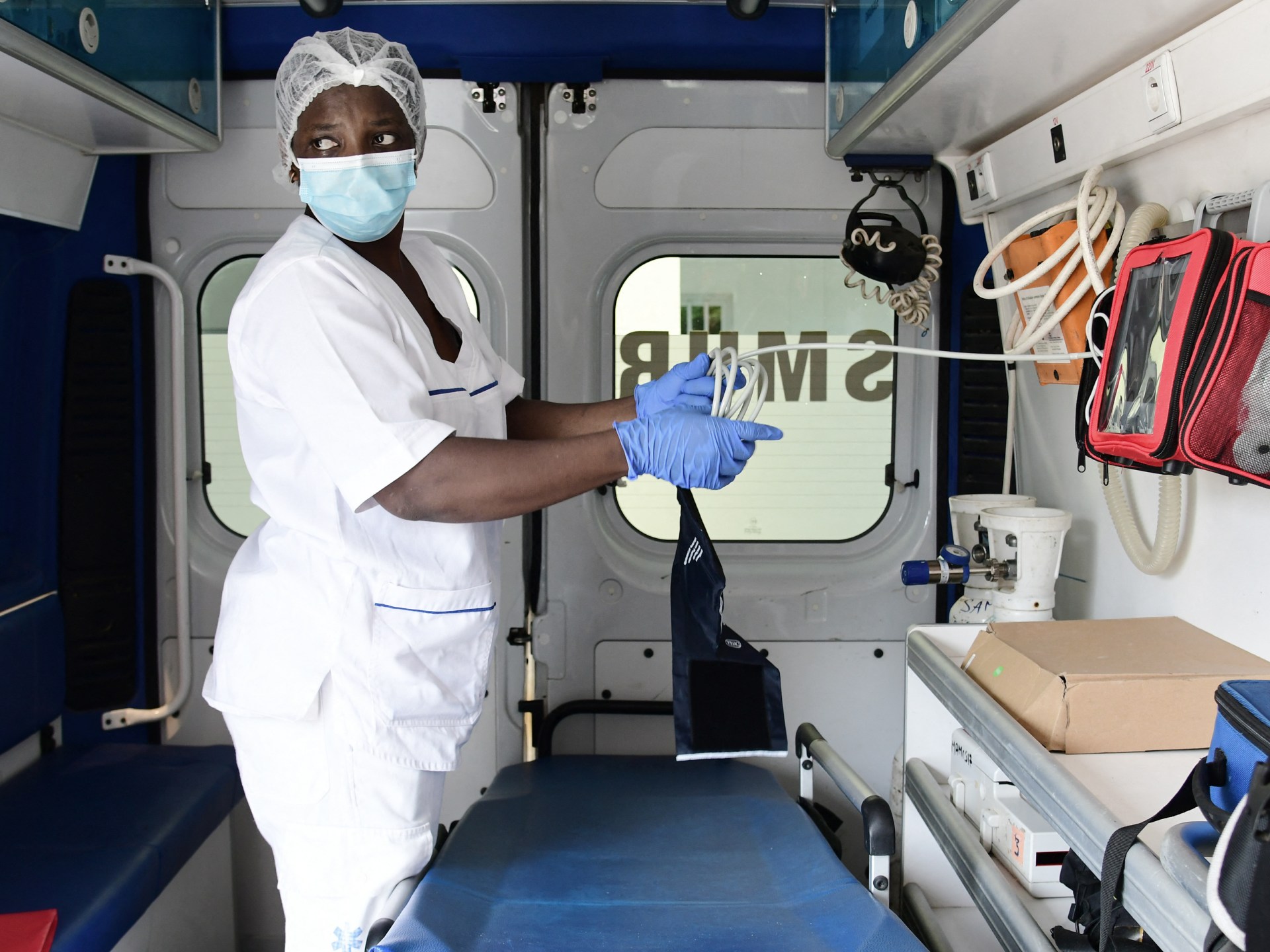
Senegal's public healthcare system is buckling under the weight of insufficient funding, inadequate staffing, and limited medical supplies, a reality starkly illustrated by the experiences of expectant mothers seeking care in the nation's facilities. The difficulties encountered during pregnancy and childbirth reveal systemic vulnerabilities that threaten maternal health outcomes across the country, where access to quality obstetric care remains inconsistent and dependent on geographic location and family resources.
Public hospitals struggle to provide timely emergency interventions, with maternity wards operating far beyond capacity. Pregnant women often encounter delays in receiving critical care, inadequate pain management, and insufficient monitoring during labour. Medical professionals working in these facilities face overwhelming patient loads with minimal support, compromising their ability to deliver safe, dignified care to all who seek it.
The strain on Senegal's maternal health services underscores broader challenges within the public healthcare system, where chronic underfunding limits equipment availability and personnel training. Rural and urban poor communities are particularly vulnerable, as transportation costs and facility shortages force many to delay or forgo essential prenatal care and delivery services. Experts point to the need for sustained investment in healthcare infrastructure and workforce development to prevent further deterioration of maternal health standards.
Senegal has committed to improving maternal health outcomes through national development targets, yet progress remains slow without adequate resource allocation. Healthcare advocates emphasise that addressing the current crisis requires comprehensive reform, including increased budgetary commitment, recruitment of qualified midwives and physicians, and renovation of existing facilities to meet modern standards of care.